
A Detailed Look at White Stovetop Espresso Makers


Intro
White stovetop espresso makers have become a cherished staple in the kitchens of coffee aficionados and culinary experimenters alike. These compact yet powerful instruments not only brew espresso to perfection but also add a touch of elegance and sophistication to any kitchen counter.
The rise in popularity of these machines is no accident; they marry functionality with aesthetic appeal, making them a preferred choice for those who appreciate both form and function in their cooking appliances. As the global coffee culture continues to evolve, the white stovetop espresso maker stands out as a symbol of contemporary sophistication while echoing traditional brewing methods.
This guide delves into the multifaceted world of white stovetop espresso makers, peeling back the layers to reveal their design intricacies, operational advantages, and the cultural significance they carry. Whether you're a seasoned barista at home or simply someone who enjoys the pleasure of a well-brewed cup, this guide will help you navigate your way through the selection, usage, and maintenance of these exquisite espresso machines.
Prolusion to Stovetop Espresso Makers
Stovetop espresso makers have long held an esteemed position in the hearts of coffee enthusiasts. These unique devices offer a combination of simplicity, affordability, and the ability to brew a rich and flavorful coffee experience reminiscent of traditional espresso. In this section, we will explore the significance of stovetop espresso makers, shedding light on their numerous benefits, design elements, and the craftsmanship involved in their creation.
The allure of stovetop espresso makers is tied to their commitment to producing a high-quality cup of coffee without the need for expensive machines or complicated setups. They appeal to those who enjoy hands-on brewing, allowing for a tactile, intuitive experience that draws the drinker closer to the art of coffee making. Within this guide, we will delve into various aspects of these fascinating devices, considering how they fit into modern coffee culture while honoring their historical roots.
Historical Context
To understand the full impact of stovetop espresso makers, it is crucial to delve into their historical context. The first stovetop espresso maker, known as the Moka pot, emerged in Italy during the late 1930s, designed by Alfonso Bialetti. This invention revolutionized the way coffee was enjoyed in the household, enabling families to produce a rich and aromatic coffee without the need for a professional barista or an elaborate setup.
Before the Moka pot, coffee brewing methods varied significantly from region to region, often requiring manual techniques with inconsistent results. Bialetti's design helped standardize the brewing process, making quality coffee accessible to the masses. Through the years, this iconic design has not only persisted but has also evolved into various styles and functions, adapting to the changing preferences of coffee drinkers worldwide.
The Rise of the Stovetop Espresso Maker
As coffee culture grew more widespread in the latter half of the 20th century, stovetop espresso makers began to garner attention beyond Italy's borders. Their compact size and affordability allowed them to gain popularity in households globally, offering an alternative to bulky espresso machines that can often come with hefty price tags.
Today, the stovetop espresso maker has become synonymous with both convenience and craftsmanship. The device brews coffee by creating steam pressure within the boiler, forcing water through the coffee grounds and yielding a concentrated, aromatic brew that captures the essence of traditional espresso. Many coffee aficionados appreciate the control it offers over brewing parameters like grind size, water temperature, and brewing time.
Moreover, custom designs and finishes—including a clean white hue—have become increasingly desirable. The aesthetic of white stovetop espresso makers aligns well with modern kitchen decor, making them not just functional tools but also stylish additions to any culinary space.
"Stovetop espresso makers are not just machines; they are gateways to a richer coffee experience, connecting history, culture, and design."
In sum, the rise of the stovetop espresso maker speaks to a broader trend in coffee consumption, one that embraces quality without sacrificing simplicity. As we progress through this guide, we will take a closer look at the design aspects of white stovetop espresso makers, their functionality, and their particular significance in the modern coffee landscape.
Understanding the Design of White Stovetop Espresso Makers
The design of white stovetop espresso makers is not merely an aesthetic choice; it reflects a thoughtful blend of tradition and innovation. This section delves into the intricate details that make these coffee makers stand out, exploring everything from the materials used in their construction to their visual appeal and popular models available today. Understanding this design is crucial, as it directly influences both the functionality and the experience of brewing coffee at home.
Materials and Construction
When it comes to stovetop espresso makers, the material selection plays a pivotal role in brewing quality. Most commonly, these appliances are constructed from aluminum or stainless steel, each possessing unique advantages.
- Aluminum Stovetop Espresso Makers: Lighter and often less expensive, aluminum allows for quick heat conduction. This means a faster brewing time, which can be appealing for those in a hurry. However, aluminum is prone to scratching and may not hold up as well over the long haul compared to stainless steel.
- Stainless Steel Models: Known for durability, stainless steel offers resistance to rust and corrosion. These models tend to retain heat longer, promoting better coffee extraction. The hefty feel also gives a sense of quality and sturdiness.
For white stovetop espresso makers, achieving that clean, elegant color takes additional effort. Many utilize a special coating to achieve the white finish while maintaining structural integrity. It's key for users to consider not only the visual aspects but also how each material influences coffee flavor and longevity.
Aesthetic Appeal
One cannot overlook the visual charm of white stovetop espresso makers. The crispness of white adds a touch of modernity to traditional brewing. In kitchens adorned with varying color palettes, a white espresso maker serves as a versatile piece that can seamlessly blend in or stand out. It is not just about beauty; it also reflects an ethos of simplicity and purity in coffee-making.
Moreover, the sleek design often invites conversations, making it more than just a functional tool. These makers can become a centerpiece on the countertop. The contrast of matte white against stainless steel handles or accents exudes an understated elegance that many coffee aficionados appreciate.
Common Brands and Models
Identifying reputable brands is critical in the world of stovetop espresso makers. Here are a few standout names known for their quality and design:
- Bialetti: Widely recognized, their Moka Express line has been loved for decades. The signature octagonal shape combined with a white variant has garnered attention for its classic appeal.
- Cilio: This brand specializes in high-quality stovetop espresso makers with sleek designs. Their white finish often leans towards a more contemporary look, catering to modern kitchens.
- Alessi: Perhaps one of the most designer-centric brands, Alessi crafts espresso makers that are as much about artistry as they are about function. Their white models often feature unique shapes and innovative styling.
These brands, along with others, provide a range of models differing in capacity and design, catering to diverse preferences. Finding the right model may involve investigating the features and aesthetics that resonate most with the user.
"The beauty of coffee lies not just in its aroma, but also in the art of the machine that brews it."
In summary, understanding the design of white stovetop espresso makers encompasses much more than just their appearance. The materials and construction methods employed can have significant implications for brewing quality, while their aesthetic appeal makes them a delightful addition to any kitchen. By narrowing down options through reputable brands and models, one can ensure that their espresso maker will deliver both in performance and visual impact.
Brewing Process with Stovetop Espresso Makers
The brewing process holds immense importance when utilizing stovetop espresso makers. This method infuses tradition and convenience, allowing the user to brew fresh espresso with very little fuss. The entire experience ranges from preparing the ingredients to hearing that characteristic whistle as coffee percolates. Understanding this brewing process not only enhances the coffee-making experience but also provides insights into how different factors can affect the final flavor, aroma, and quality of the espresso. This guide aims to dissect the intricacies of brewing espresso in stovetop devices, spotlighting techniques, tools, and tips that can benefit even seasoned coffee enthusiasts.
Step-by-Step Brewing Guide
Brewing espresso on a stovetop is as much about precision as it is about passion. Below is a comprehensive step-by-step guide to help you make the perfect cup:
- Gather your ingredients and tools: To get started, you will need freshly roasted coffee beans, a burr grinder, your white stovetop espresso maker, and filtered water.
- Measure your coffee: For a traditional shot, about 18-20 grams of coffee will create a full-bodied flavor. If you're inclined to experiment, always note your ratios for future reference.
- Grind the coffee: Aim for a medium-fine grind, similar to granulated sugar. If it’s too coarse or too fine, it can greatly affect extraction.
- Fill the water chamber: Pour filtered water into the bottom chamber of the moka pot. Most models have a safety valve—fill the water up to that level, ensuring not to cover it.
- Add coffee to the filter: Spoon the ground coffee into the filter basket. No need to tamp it down; just level it off gently.
- Assemble the pot: Carefully stack the upper and lower sections, screwing them together tightly to avoid leaks during brewing.
- Heat it up: Place the espresso maker on medium heat. Keep an eye on the pot. As water heats, steam pressure builds up, pushing water through the coffee grounds.
- Listen for the whistle: The unmistakable hissing sound indicates that coffee is brewing. Your espresso is ready when you hear a sputtering noise—a sign that the brewing process is nearly done.
- Serve immediately: Once brewed, pour the espresso into cups and enjoy! For a more traditional feel, serve it alongside a glass of water.
Following this step-by-step guide will set you on a path to mastering stovetop espresso, giving you that rich taste without the fuss of a high-end espresso machine.
Tips for Optimal Extraction
To elevate your coffee game, consider these practical tips for optimal extraction when using a stovetop espresso maker:
- Use filtered water: Your coffee is only as good as the water you use. Filtered water eliminates impurities that can alter taste.
- Mind your grind: Experimenting with your grind size can provide varying results. A slightly coarser grind may yield a mellower flavor, while finer grinds introduce a more intense experience.
- Monitor temperature: Keep a close eye on the heat. Too high and the coffee might burn; too low and it may under-extract.
- Avoid letting it boil dry: Once you hear sputtering, pull it off the heat to prevent a burnt taste and preserve the integrity of your coffee.
- Clean your pot regularly: Leftover coffee oils can create off-flavors. Disassemble and wash your stovetop espresso maker after each use for best results.
By keeping these tips in mind, you will maximize your brewing potential and explore the delightful nuances of stovetop espresso making.
Comparing Stovetop Espresso with Other Brewing Methods
When it comes to brewing coffee, the stovetop espresso method holds its own against various other techniques. This section delves into the nuances and distinctions of stovetop espresso compared to methods like the French press, traditional espresso machines, and pour-over. Each brewing technique has its merits and flaws, making this comparison vital for enthusiasts seeking the best cup of coffee. Such knowledge empowers coffee lovers to choose the right technique based on flavor preference, convenience, and equipment availability.
Stovetop vs. French Press
The stovetop espresso maker and the French press are both highly popular, but they serve up quite different cups of joe. A key distinction lies in the brewing methods themselves. The stovetop espresso relies on steam pressure to push water through the coffee grounds, resulting in a richer, more concentrated flavor. The French press, however, is known for its steeping process, where ground coffee soaks in hot water before being separated by pressing down a metal or plastic plunger.
- Flavor Profile: The stovetop delivers a robust espresso-like brew, while the French press tends to yield a thicker, more full-bodied experience due to the longer extraction time.
- Oil and Sediment: The French press allows more coffee oils and fine particles into the cup, which some coffee drinkers relish for its texture. On the contrary, the stovetop model generally produces a cleaner cup with less sediment.
- Convenience: French presses are often easier to clean, with fewer components involved. But stovetop makers are quite compact and ideal for stove-wielding coffee aficionados.
This side-by-side comparison sheds light on how personal taste, preparation time, and the desired coffee experience plays into the choice between these two methods.
Stovetop vs. Espresso Machine
When one thinks of espresso, a traditional espresso machine usually springs to mind. While both stovetop espresso makers and espresso machines aim to brew coffee under pressure, their execution diverges significantly.
- Technical Aspect: Espresso machines are intricate beasts, often requiring calibration, high-quality beans and sometimes expensive maintenance. They create a more controlled environment for brewing, offering the ability to fine-tune every variable. In contrast, stovetop espresso makers are more forgiving, yielding delicious results without the fuss.
- Brew Time: The stovetop method is quicker, delivering coffee within minutes. Espresso machines, particularly high-end models, can take longer due to their preheating stages and careful brewing process.
- Cost: Integrating an espresso machine into your kitchen can drain your wallet, while stovetop models are not just more approachable in price, they also take up less space, providing good value for those just starting out.
Ultimately, deciding between a stovetop espresso maker and an espresso machine boils down to budget, space, and the capuccino fixer’s taste for convenience versus control.
Stovetop vs. Pour Over
Another layer to the coffee brewing landscape can be found in the pour-over method, which excels in manual extraction. The differences start with the brewing technique itself. Pour overs involve a gentler extraction process, where coffee grounds bloom as hot water drips through them in a controlled manner.
- Flavor Control: Pour-over offers a finesse that allows for complex flavor notes to shine through, while stovetops can often emphasize boldness over subtlety. Each has a distinct flavor experience.
- Equipment and Process: While pour-over requires a specific device and often more attention-to-detail, stovetop makers are straightforward—simply fill, heat, and wait. This might sway those who seek simplicity in the kitchen.
- Learning Curve: Pour-over techniques can take time to master; factors like water temperature and airflow play crucial roles in the outcome. Stovetop brewers involve fewer variables, making it easier to achieve consistently satisfying results.
In this method comparison, the choice ultimately relies on whether the user desires a hands-on experience with intricate flavor profiles or prefers a straightforward route to robust coffee.
This exploration of stovetop espresso against other brewing methods gives coffee lovers several lenses through which to appreciate their beverages, equipping them with the knowledge to make informed choices about their brewing rituals.
Maintaining Your White Stovetop Espresso Maker
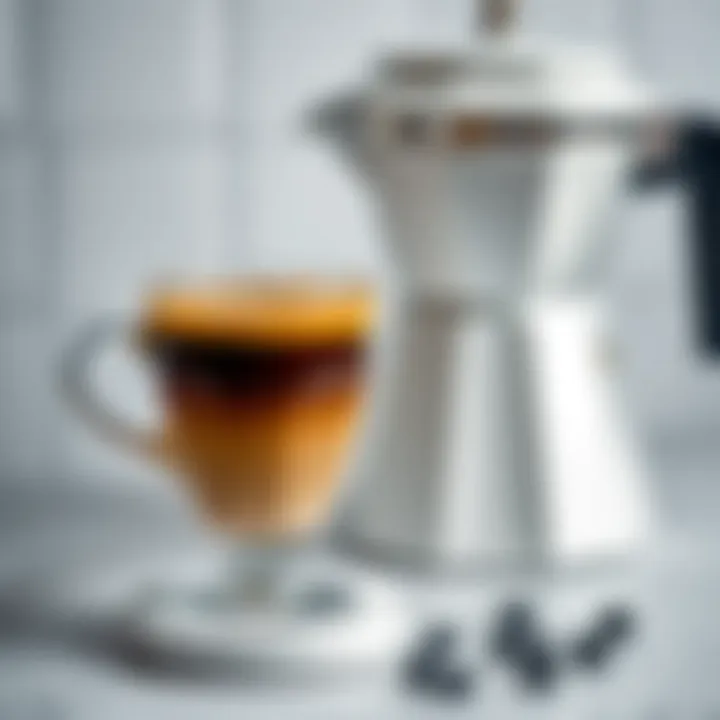
Keeping your white stovetop espresso maker in tip-top shape is not just about aesthetics; it's about preserving the quality of your coffee and ensuring the machine lasts. These charming appliances, often adorned with a glossy white finish, can add a sophisticated touch to any kitchen, but their maintenance requires a bit of attention. Dirty devices can lead to strange tastes in your brew or worse, prevent your coffee from reaching its full potential. Here’s how you can care for and maintain it properly.
Cleaning and Care
Cleaning is the cornerstone of maintaining your white stovetop espresso maker. While the shiny exterior is delightful, a clean machine ensures that your coffee tastes great.
- Daily Cleaning: After each use, it’s crucial to detach the various parts of your espresso maker. Rinse the filter and the coffee chamber with warm water. Avoid using soap as it can leave a residue that might affect the flavor of your coffee in your next brew. Only give it a thorough wash with mild soap once every few weeks.
- Descale Regularly: Minerals from hard water can build up over time, leading to clogs. To prevent this, consider using a solution of equal parts water and white vinegar every month. Just pour it into the water chamber and run the espresso maker without coffee. Make sure to follow up with several cycles of fresh water to rinse thoroughly.
- Drying: After cleaning, ensure all parts are dried completely before reassembling. This simple step can prevent mold or unpleasant odors from developing.
Taking a few minutes daily for cleaning can make a world of difference in taste and longevity.
"An ounce of prevention is worth a pound of cure." – Benjamin Franklin
Avoiding Common Problems
Even the best white stovetop espresso makers may run into a few hiccups if not properly maintained. Here are some common issues and ways to avoid them:
- Leaking: If you notice your espresso maker leaking, make sure the gasket is intact and properly positioned. Over time, this rubber seal can wear out. Replacing it is inexpensive and can resolve many leaking issues.
- Inconsistent Brewing: This can sometimes stem from using coffee that has not been ground to the correct coarseness. A very fine grind can lead to over-extraction and clogging, while a very coarse grind might not extract enough flavor. Aim for a medium grind; it’s like finding the sweet spot.
- Altered Taste: A build-up of old coffee oils can taint your coffee's flavor. Regular cleaning helps prevent this taste from creeping into your brews. If you find your coffee suddenly tasting off, it might be time for a deep clean.
- Stubborn Residue: If you notice stubborn stains on your glossy white surface, you can use a gentle baking soda paste to scrub it gently without scratching.
By being proactive in maintenance, you can enjoy beautiful, flavorful espressos for years to come instead of dealing with frustrating issues down the line. Regular care can significantly extend the lifespan of your beloved coffee maker.
Exploring the Cultural Significance of Espresso
The cultural footprint of espresso is far broader than a mere beverage. For many, it's a ritual, an art, and often a symbol of social interaction. This section dives into the heart of why espresso holds such significance in various cultures—particularly Italian culture, where it originated, and its expansion into a global phenomenon.
Espresso in Italian Culture
In Italy, espresso is more than just a drink; it is woven into the very fabric of daily life. Italians consume espresso several times a day, often standing at the bar, engaging in brief exchanges with friends or strangers. The act of drinking espresso reflects not just personal enjoyment, but a communal experience, encouraging socialization.
Espresso bars in cities like Rome and Florence serve as gathering spots, where people come together to discuss everything from politics to sports. There's a nuanced etiquette surrounding its consumption, such as avoiding ordering cappuccino after breakfast, as the foam and milk are believed to disrupt the digestive flow. This distinct cultural behavior underscores the care with which Italians approach their espresso, turning it into a ritual.
But the prominence of espresso stretches beyond simple imbibing. It represents craftsmanship and tradition. The preparation itself is steeped in knowledge that is often passed down through generations. People take pride in their skill to brew the perfect shot, with many factors influencing the outcome—from the type of beans used to the precision of the grind size. The process has become an artform, with each barista developing unique techniques and styles.
"Espresso is not just a drink; it’s part of Italy’s cultural narrative, a daily reminder of community and craftsmanship."
The Global Espresso Movement
Espresso has undoubtedly left a mark on coffee cultures around the world. After initially taking root in Italy, it gained traction in various corners of the globe, each country interpreting it through their unique lens. In places like the United States, espresso has transformed into a staple of the coffeehouse scene, often showcasing specialty drinks that cater to diverse palates. The rise of third-wave coffee movements has further championed espresso, emphasizing quality sourcing and innovative brewing methods.
Countries like Australia and New Zealand have taken espresso to another level, with the flat white becoming a famed export of their coffee culture. Cafés in these regions often engage in fierce competitions, with baristas flaunting their skills, creating breathtaking latte art that captures attention and delights customers.
Moreover, espresso’s cultural significance extends into the realm of commerce. Throughout the globe, entire careers revolve around coffee—from producers and roasters to baristas. This extensive web encompasses everything from sustainable farming practices to artisanal brewing methods.
Espresso is not just a fleeting trend; it represents a lifestyle choice for many, advocating for quality over convenience, and fostering connections within a community that appreciates the finer aspects of coffee.
Thus, understanding espresso’s significance provides insight into the social interactions it fosters, the traditions it maintains, and the innovation it inspires, making it a meaningful topic of exploration in the realm of culinary history and global culture.
Coffee Quality Considerations
In the realm of coffee brewing, the quality of the coffee itself is paramount. A stovetop espresso maker can transform the way coffee is enjoyed, but without quality beans and the proper grind, you might be left with a less-than-stellar cup. Understanding the nuances involved in coffee selection and preparation holds significant weight in determining the final taste of your brew. This section delves into two crucial aspects: choosing the right beans and ensuring the grind size and consistency are spot on.
Choosing the Right Beans
Choosing the right beans is akin to picking the finest ingredients for a gourmet dish. The journey starts with understanding the origins and types of coffee beans. Arabica and Robusta are the most common varieties, each offering unique flavor profiles. Arabica is typically smoother and more aromatic, while Robusta carries a stronger, more bitter edge that some may appreciate.
When selecting beans, consider the following factors:
- Freshness: Coffee beans are at their prime shortly after roasting. Buying fresh beans can mean the difference between a delightful cup and one that tastes stale or flat.
- Roast Level: Light, medium, and dark roasts will each impart different flavor notes. A light roast might bring out fruity notes, while a dark roast could offer chocolatey or smoky undertones. Know your palate and choose accordingly.
- Single Origin vs. Blend: Single origin coffee can provide a distinctive taste linked to its geographical origin, giving a whole new layer of depth to your espresso. Blends, on the other hand, are crafted to achieve a balanced flavor.
"A great cup of coffee starts with quality beans; they are the heart of the brew."
Grind Size and Consistency
Once you have selected your beans, the next step is to focus on grind size and consistency. The grind should match the brewing method, and with a stovetop espresso maker, a fine grind is generally recommended. This allows for an optimal extraction, creating a rich flavor in your cup.
Here’s what you should keep in mind regarding grind size:
- Grind Size: A fine grind helps to create the appropriate pressure in the stovetop espresso maker. Too coarse can lead to weak coffee, while too fine might create over-extraction, yielding a bitter taste.
- Consistency: Using a burr grinder is often adviced over a blade grinder, as it ensures uniformity in the grind size. Inconsistent grinds can lead to uneven extraction and impact the flavor.
- Experimentation: Don’t hesitate to experiment with different grind sizes to find your perfect balance. Each adjustment can bring out different flavors and characteristics in your coffee.
In summary, the quality of your coffee hinges significantly on the choices you make at both the bean selection and grinding stage. Take the time to understand these elements, and you’ll elevate your stovetop espresso experience to new heights.
Sustainability and Eco-Friendly Aspects
As the world increasingly prioritizes sustainability, it’s essential to consider the eco-friendly aspects of the appliances we use daily, including white stovetop espresso makers. Not only do these sleek appliances enhance a kitchen's aesthetic, but they also contribute positively to our environment when utilized properly. Coffee brewing can often be associated with wasteful practices, yet with the right choices, one can navigate this world in a more sustainable manner.
Understanding Environmental Impact
The environmental impact of coffee consumption is substantial, affecting various elements from production to brewing. Traditional methods often involve disposable pods, excessive packaging, and an inefficient use of energy. Stovetop espresso makers, numerous of which have a simple design, are typically energy efficient. They don’t rely on complex machines or electricity to operate after all; they use the heat from a stovetop, which means if you're using gas or electric energy efficiently, you can green-light your coffee ritual. The durability of these machines also plays a part in sustainability. Made from materials like stainless steel or aluminum, a high-quality stovetop espresso maker will last for years, thus reducing waste.
"Investing in a durable coffee maker is like planting a tree in a garden of choices; it grows with you while minimizing the carbon footprint."
Understanding the source of your coffee is equally vital. Sourcing beans from sustainable farms that practice ethical farming methods reduces deforestation and promotes biodiversity. Moreover, looking for certifications such as Fair Trade or Rainforest Alliance can guide consumers towards more responsible choices.
Choosing Sustainable Brands
When considering the purchase of a stovetop espresso maker, consumers should opt for brands that embody eco-friendly philosophy. Numerous companies offer durable, recyclable, and low-energy appliances. Look for brands like Bialetti or Alessi, known for their sustainable production practices.
Here are some factors to consider when selecting a sustainable brand:
- Materials Used: Choose makers made from stainless steel or aluminum over plastic. These materials are not only better for the environment but also enhance the quality of your brew.
- Manufacturing Processes: Research the brand’s practices. Companies that focus on ethical labor and sustainable sourcing exhibit a commitment to the environment.
- Recycling Programs: Some brands offer take-back or recycling programs for their products, ensuring that each unit reaches the end of its life in an eco-friendly manner.
- Community Engagement: Brands that invest in local communities and environmental programs help promote both social and environmental health.
In today’s world, making conscious consumer choices is paramount. The next time you reach for a white stovetop espresso maker, remember the journey of your coffee—from its origins to your kitchen—and choose wisely. By being informed, you not only enhance your coffee experience but also empower yourself to make a difference.
For further resources, consider checking out Sustainable Coffee or Eco-Friendly Coffee.
With awareness at the forefront, coffee lovers can enjoy their brew while also nurturing the planet.
Finale and Final Thoughts
The exploration of white stovetop espresso makers, as presented in this article, emphasizes their unique place within the realm of coffee brewing. These appliances do not merely serve the functional purpose of crafting espresso; they symbolize a blend of artistry and tradition. With the resurgence of manual brewing methods, their significance has grown remarkably, catering not just to the coffee aficionado but also to the casual drinker who appreciates quality.
The topic of stovetop espresso makers delves into various facets. Understanding their design, from the materials used to the aesthetic appeal, helps consumers recognize the value in making a thoughtful choice. It's not just about brewing coffee; it's about choosing a piece that complements one's kitchen and lifestyle. This understanding becomes even more critical as we weigh the benefits of craft brewing against the backdrop of convenience offered by modern espresso machines.
Environmental considerations also play a crucial role in today’s coffee culture. Readers are encouraged to reflect on the sustainability of their purchase. Opting for eco-friendly brands not only supports responsible manufacturing practices but also contributes to broader positive changes in the industry. While it’s easy to get lost in consumerism, the mindfulness instilled through such choices fosters a deeper connection with our daily rituals.
Recap of Key Insights
To truly appreciate the nuances of white stovetop espresso makers, it's important to revisit the essential insights presented:
- The historical context highlights how these devices are tied to rich traditions in coffee brewing.
- The design aspects emphasize the importance of both material quality and aesthetics.
- The brewing process empowers users with control over taste and strength.
- Cultural significance reflects the global movement towards valuing quality over quantity in coffee practices.
- Sustainability touches on the importance of eco-conscious choices in our consumption habits.
Future Trends in Coffee Brewing
Looking ahead, the future of coffee brewing promises to be dynamic. As artisan methods gain traction, we can anticipate a rise in innovations surrounding stovetop espresso makers. Here are a few trends to keep an eye on:
- Smart Technology Integration: There's a growing interest in technology that assists with the brewing process, such as apps that monitor brew times.
- Sustainability Innovations: As more consumers prioritize eco-friendly products, manufacturers are likely to develop materials and processes that minimize environmental impact.
- Customization Options: Personalization may become a favorite feature, with options for colors, sizes, and designs that suit individual aesthetics.
- Collaborations with Designers: Expect to see partnerships between coffee brands and fashion designers, enhancing the appeal of stovetop espresso makers as both functional items and design pieces.
As coffee lovers continue to seek out ways to enhance their brewing experience, the white stovetop espresso maker remains a timeless choice, blending artistry and tradition beautifully.