The Striped Knit Cardigan: An In-Depth Exploration
Intro
In the vast expanse of the fashion landscape, the striped knit cardigan occupies a prominent space, straddling the line between comfort and style. This article will take a closer look at this versatile piece, exploring its design intricacies, rich historical background, and its remarkable evolution in modern wardrobes.
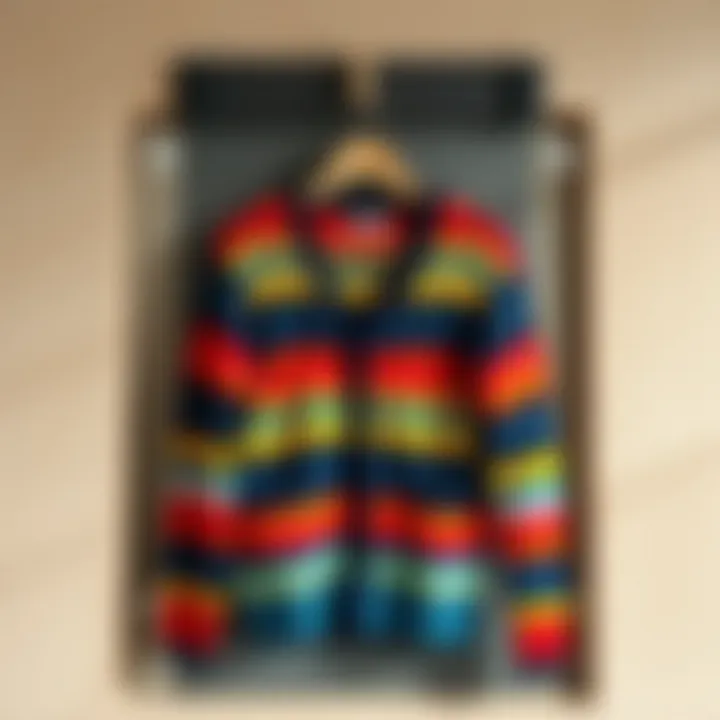
The striped knit cardigan is more than just an article of clothing; it symbolizes a blend of tradition and contemporary flair. Whether you are a fashion aficionado or an industry insider, understanding the nuances of this item can enhance your appreciation for knitwear. So, let’s unravel the various facets of this fascinating garment, from the current fashion trends to practical maintenance tips.
Fashion Trends
Fashion ebbs and flows, yet certain styles seem evergreen. The striped knit cardigan is a prime example.
Emerging Styles
Bold stripes, pastels, and oversized silhouettes are making a strong showing. This season, designers are experimenting with color combinations that would have made the traditionalists raise an eyebrow. For instance, imagine a vibrant duo where aquamarine meets burnt orange—now, that's a statement! Furthermore, asymmetric cuts are gaining traction, allowing for an interesting play on textures and lengths.
"Fashion is not just about clothes; it’s a way of expressing how you feel. Striped knit cardigans are a canvas for creativity in the wardrobe." - Anonymous
Seasonal Must-Haves
As the seasons shift, so do the styling possibilities that striped knit cardigans offer:
- Spring Palette: Look for lighter fabrics and faded colors to pair with your favorite dresses.
- Autumn Layers: Heavier knits provide warmth, making them the perfect layer for those brisk walks.
- Winter Essentials: Long cardigans can be effortlessly worn over turtlenecks, adding both style and coziness.
- Summer Evenings: Consider lightweight, airy cardigans for those cooler nights at beach bonfires.
Fabric and Care
Choosing the right fabric is crucial for the longevity of your cardigan, and this is where sustainability often takes center stage.
Sustainable Materials
Today, eco-conscious fabric choices like organic cotton, Tencel, and recycled fibers have become prominent in the production of knitwear. Not only do these materials benefit the environment, they also offer softness and breathability, ensuring your cardigan feels as good as it looks.
Maintenance Tips
Proper care can greatly extend the life of your striped knit cardigan:
- Gentle Wash: Always opt for a cold, gentle cycle. This helps maintain color vibrancy.
- Air Dry: Instead of tossing it in the dryer, lay it flat to dry. This keeps its shape intact.
- Avoid Overloading: Don’t overload your washing machine; give this garment space to move freely during the cycle.
- Storage: Store your cardigan folded, rather than hung—this avoids stretching.
In the end, the striped knit cardigan remains a staple that can adapt to any style or occasion while keeping sustainability in mind. Understanding its nuances not only enhances one’s wardrobe but also promotes conscious fashion choices. From emerging styles to fabric choices, this exploration has highlighted why this timeless piece will continue to be a favorite for years to come.
Intro to Striped Knit Cardigans
Striped knit cardigans hold a prominent place in modern fashion, serving as a versatile staple that offers both style and comfort. These garments, often classified as wardrobe essentials, can effortlessly elevate an outfit, making them suitable for diverse occasions, from casual outings to more formal gatherings. The beauty of striped knit cardigans lies in their ability to blend seamlessly with various styles, making them a favorite among fashion enthusiasts and industry professionals alike.
Understanding the significance of striped knit cardigans begins with recognizing their unique design elements. The interplay of soft yarn and bold patterns creates a canvas that can convey both playfulness and sophistication. Each stripe, whether broad or narrow, carries its own narrative, reflecting personal taste and individual flair.
The practical benefits of these cardigans cannot be overstated. Not only do they provide warmth on chilly days, but they also serve as a fashionable layer for those unpredictable seasons. Moreover, their ease of pairing with other wardrobe pieces makes them an attractive choice for anyone looking to expand their wardrobe without overwhelming it.
When considering striped knit cardigans, it’s essential to think about the various textures, colors, and patterns available in today’s market. This diversity presents opportunities for self-expression and creativity, allowing wearers to select pieces that resonate with their personal style.
Ultimately, the importance of striped knit cardigans in contemporary fashion extends beyond mere aesthetics. They embody versatility and functionality, mirroring current trends while remaining timeless. As we explore this article, we will delve deep into the intricate details of striped knit cardigans, covering their history, design elements, materials, styling, care, and more. With these insights, enthusiasts and professionals alike can appreciate the layered complexities that make these garments an enduring favorite.
Historical Context of Striped Knitwear
Understanding the historical backdrop of striped knitwear is essential for appreciating its place in today's fashion landscape. Striped knit cardigans, in particular, represent more than just a garment; they encapsulate a story that intertwines culture, style evolution, and practicality. The significance lies not only in their aesthetic appeal but also in the way they reflect societal changes over time. In particular, exploring the origins and evolution of stripes in knitwear can shed light on their transformations across eras, which can inform current design choices and styles.
Origins of Stripes in Fashion
The origin of stripes in fashion can be traced back to ancient civilizations, where stripes often carried specific symbolism. For instance, in ancient Egypt, striped fabrics were associated with regality and divine connection. As centuries rolled by, stripes evolved, finding their way into various styles across different cultures. In the fishing communities of Brittany, France, for example, the widely recognized Breton stripe began as a practical measure to help identify fishermen in the tumultuous waters of the Atlantic.
Throughout history, stripes have been absorbed into the sartorial lexicon, often signaling class distinctions and occupational roles. In the early 20th century, stripes made a bold return in fashion, thanks to artists and designers who regarded them as playful and progressive. Striped knitwear began to gain traction, particularly post-World War II, as a symbol of leisure and comfort. This transition marked a pivotal moment in fashion, as it signified a blending of practicality with aesthetics.
The cultural versatility of stripes speaks to their ability to bridge societies and styles, adapting seamlessly from the casual chic of Parisian streets to the rugged landscapes loved by outdoor enthusiasts.
Evolution Through the Decades
The evolution of striped knitwear during the 20th and 21st centuries is a reflection of changing societal norms and fashion trends. In the 1960s and 1970s, for example, stripes came to embody freedom and rebellion, often linked to the youth counterculture that valued self-expression. Designers like Yves Saint Laurent utilized stripes in their groundbreaking collections, showcasing how a simple pattern could flip conventional fashion on its head.
The 1980s ushered in a wave of bold and graphic prints where stripes were no longer confined to the traditional realms of knitwear. Fashion icons like Madonna embraced vibrant, oversized stripes, intertwining them with themes of empowerment and individuality. This period demonstrated that stripes could be loud, vibrant, and, overall, a statement of one’s personality.
As we moved into the 1990s and early 2000s, minimalism took center stage, shifting the appeal toward subtler stripe designs. Simple and monochrome stripes became the choice for casual wear, aligning with the rise of street style. This trend persisted into the 2010s, witnessing a resurgence in its playful pairing with other patterns, each iteration continuing to affirm the timelessness of stripes in knitwear.
Today, the striped knit cardigan continues to turn heads, now favored by diverse demographics, every user’s interpretation speaking volumes about personal style, identity, and cultural context. In essence, the history of striped knitwear not only traces the pattern but also encapsulates the spirit of its time, reflecting broader societal themes that resonate even now.
"Stripes are like a barometer of fashion, constantly measuring the pulse of societal shifts."
By engaging with the context of striped knitwear, one can truly appreciate its significance in contemporary fashion. Each cardigan tells a narrative that combines practicality and artistry, making it a staple worthy of exploration in both wardrobe essentials and fashion history.
Design Elements of Striped Knit Cardigans
When it comes to striped knit cardigans, the design elements play a crucial role in defining not only the garment's aesthetic appeal but also its functionality and versatility. The interplay of color, pattern, and texture can transform an otherwise simple cardigan into a statement piece, making it essential for fashion enthusiasts and industry professionals alike to understand these elements. The nuances of design impact everything from how a cardigan flatters the body to how it can be styled in various contexts, whether for casual outings or more formal engagements.
Types of Stripes and Their Implications
Stripes have various styles, each carrying unique implications. Let's break down a few that are commonly seen in striped knit cardigans:
- Horizontal Stripes: These are often associated with a casual, relaxed vibe. They can create the illusion of width, which might be flattering for those with a leaner frame.
- Vertical Stripes: The classic choice for someone looking to create the illusion of height. Vertical lines elongate the body, making them a favored choice for more formal designs.
- Diagonal Stripes: A more adventurous option that can add dynamics to any outfit. These stripes can draw the eye in different directions, often resulting in an edgy yet sophisticated look.
- Mixed Patterns: Cardigans sometimes fuse various stripe styles, creating a rich visual texture. This is ideal for those wanting to showcase individuality while still adhering to style norms.
Each stripe type can communicate different moods and intentions. Opting for broader stripes might conjure a more playful, relaxed look, whereas finer stripes typically lend an air of sophistication. The color combinations further impact perception. For instance, bold contrasts like black and white can evoke a sense of modernism, while pastel combinations often bring about a softer, more inviting aesthetic.
Knit Techniques: A Brief Overview
Knit techniques significantly influence the texture, warmth, and overall appearance of striped knit cardigans. Here’s an overview of common techniques used:
- Stockinette Stitch: This common technique produces a smooth surface on one side, featuring a clear and classic striped appearance. It allows for a clean, polished look ideal for various occasions.
- Ribbing: Often used in cuffs and hems, ribbing adds elasticity and texture. Striped designs incorporating ribbed sections lend depth to the garment and enhance comfort by allowing garments to stretch without losing shape.
- Intarsia: This technique allows for complex patterns and designs within the stripes. It can create a more intricate textile, leading to unique garments that stand out.
- Fair Isle: A traditional knitting style that uses several colors in one row, creating a vibrant and detailed pattern with minimal floats of yarn on the back side. It allows combining stripes with floral or geometric designs.
The choice of a knit technique affects not just the design but also the functional aspects of the cardigan. Certain methods are better suited for warmer weather, while others may be ideal for colder environments. Understanding these techniques is vital for making informed decisions when selecting or designing striped knit cardigans.
In summary, the design elements of striped knit cardigans are more than mere aesthetics; they encompass a range of factors that significantly influence wearability and style. Engaging with various types of stripes and understanding foundational knit techniques equips fashion enthusiasts and industry professionals with the necessary insight to appreciate and select cardigans that resonate with individual tastes.
Materials Used in Striped Knit Cardigans
Understanding the materials used in striped knit cardigans is essential not only for fashion lovers but also for those keen on sustainability and quality. The choice of fabric can significantly influence the look, feel, and durability of the cardigan. This section will explore the common fabrics that give these cardigans their character, alongside the modern shift towards more eco-friendly materials. This is increasingly important in a world where consumers are more aware of their environmental impact.
Common Fabrics and Their Characteristics
Several fabrics commonly feature in striped knit cardigans, each bringing its own qualities and benefits:
- Wool: The traditional choice for knitwear, wool offers warmth and breathability. It has natural moisture-wicking properties, which help keep the wearer comfortable. Merino wool, in particular, is prized for its softness.
- Acrylic: A synthetic alternative that replicates the properties of wool but at a lower cost. Acrylic is lightweight and resistant to moths. However, it lacks the natural breatheability of wool, which may lead to overheating in warmer conditions.
- Cotton: Known for its softness and durability, cotton is a popular choice for cardigans intended for layering or warmer climates. It allows good air circulation and is easily washable, although it can be prone to stretching.
- Cashmere: This luxury fabric is known for its incredible softness and warmth. Cashmere cardigans are more delicate and require a bit more care, but they deliver an elevated look and feel. The finespun fibers provide a sophisticated texture that is hard to beat.
- Blends: Many cardigans now use fabric blends, combining wool, cotton, or synthetic fibers to achieve a balance of comfort, durability, and performance. For instance, a wool-cotton blend can enjoy benefits from both worlds, resulting in a soft, resilient fabric that wears well.
Each fabric serves its purpose, depending on how and when the cardigan is expected to be worn. Whether you need warmth for chilly evenings or something light for a breezy day, the fabric choice plays a key role.
Sustainable Fabric Options
With a growing awareness of environmental issues, sustainable practices are becoming prominent in the fashion industry. Several sustainable fabric alternatives are gaining popularity for their reduced environmental impact:
- Organic Cotton: Grown without synthetic fertilizers or pesticides, organic cotton is kinder to the environment. It not only benefits farm health but also provides softer, high-quality fibers for clothing.
- Bamboo: This fabric is often touted for being eco-friendly, as bamboo grows quickly and requires fewer resources. It has the added bonus of being naturally antibacterial, making it an excellent choice for activewear knits.
- Tencel (Lyocell): Made from sustainably sourced wood pulp, Tencel is biodegradable and produced using a closed-loop process, minimizing waste. This fabric offers a luxurious feel, drapes beautifully, and is often blended with other fibers for enhanced performance.
- Recycled Materials: Increasingly, companies are using recycled polyester or nylon made from post-consumer plastic waste. This not only provides a second life for these materials but also decreases reliance on virgin resources.
- Hemp: This is an ancient fiber that's coming back into fashion. Hemp can grow in poor soil, requiring little water or pesticides. The fiber is strong, breathable, and becomes softer with use, making it ideal for durable cardigans.
"Choosing sustainable fabrics is not just a personal choice; it's a step toward a more responsible fashion industry."
For more insights on sustainable fashion practices, you can explore resources like Wikipedia and articles on Britannica.
By considering the impact of material choices, consumers can make informed decisions that suit their style while contributing positively to the planet.
Styling Strategies for Striped Knit Cardigans
When it comes to adding a patch of flair to your wardrobe, striped knit cardigans are a versatile choice that can elevate any ensemble. They bring together comfort and style, but how you wear them can make all the difference. Understanding the nuances of styling can transform a simple cardigan into a statement piece that reflects both personality and fashion sense.
Casual versus Formal Looks
The beauty of a striped knit cardigan lies in its adaptability for both casual and formal settings. Casual looks often highlight comfort with a hint of laid-back style. Pairing a striped cardigan with a basic white tee and your favorite jeans allows the cardigan's stripes to serve as the focal point. Here, the stripes can create a sense of playfulness without being overbearing.
On the other end of the spectrum, styling can shift towards more formal looks. Consider wearing a fitted striped knit cardigan with a tailored blouse and high-waisted trousers. This combination not only looks polished but also ensures that you stand out in a crowd as someone with a keen taste for detail. You might add some statement jewelry to enhance the outfit further, whereas a sleek pair of loafers can complete the refined look.
To put it simply, there’s a balancing act involved. The key is to pair the cardigan with other pieces that either match or contrast in a thoughtful way. For example:
- Casual Pairings:
- Formal Pairings:
- Striped cardigan with graphic tees
- Pairing with sneakers or flats
- Layering over a silk blouse
- Completing with heeled boots or loafers


Layering Techniques with Stripes
Layering isn’t merely practical; it’s an art form that can amplify the appeal of a striped knit cardigan. The rhythmic patterns of stripes can serve as an excellent backdrop for other garments, opening the door to playful combinations.
One effective layering strategy is to use contrasting textures. For instance, layering a chunky knit cardigan over a smooth, fitted dress can create an interesting juxtaposition. This not only adds depth to the overall look but also highlights the cardigan’s intricate patterns. Similarly, pairing a striped cardigan with a denim jacket can create a casual, yet curated vibe. Think of it as harmony in chaos – a little unexpected twist that makes the outfit sing.
Furthermore, consider using colors and prints wisely. If your cardigan features bold stripes, use solid colors for the pieces beneath it to avoid visual overwhelming. Alternatively, if your bottom piece is patterned, ensure that the colors align or complement those featured on the cardigan.
In summary, layering offers an excellent method to express personal style while making the most out of your striped knit cardigan. By experimenting with texture and color, you can ensure that each outfit embodies a unique character of its own.
"Fashion is like a language; it speaks to those who know how to listen."
When navigating the world of styles, the rules are not strict, and it’s essential to infuse your personal touch. With these styling strategies, your striped knit cardigan can take on multiple roles, fitting smoothly into any wardrobe.
Care Tips for Striped Knit Cardigans
Taking care of striped knit cardigans is crucial not only for maintaining their appearance but also for extending their lifespan. This topic is vital because even the most exquisite knitwear can lose its charm if proper care isn’t taken. Striped knit cardigans, with their unique patterns and textures, require a specific approach to washing, drying, and storage that differs from standard garments. Proper care not only preserves their structure but also ensures that the colors remain vibrant and the fabric stays soft.
Washing and Drying Instructions
When it comes to washing striped knit cardigans, it’s always best to err on the side of caution.
- Check Label Instructions: Start by reviewing the care label. Each cardigan may have specific requirements based on its fabric content.
- Hand Wash or Gentle Cycle: Preferably, hand wash your cardigan using cold water and a mild detergent. If you choose to machine wash, opt for a gentle cycle with cold water.
- Avoid Bleach: Steer clear of bleach or any harsh chemicals—they can cause the colors of the stripes to fade.
- Lay Flat to Dry: After washing, don’t wring the cardigan. Instead, lay it flat on a clean towel to absorb excess water and then reshape it slightly before letting it air dry. Hanging it could lead to stretching.
- Low Heat for Drying: If you must use a dryer, set it to a low heat setting, but it’s generally advisable to let it dry naturally.
Following these steps helps in keeping your cardigan looking as fresh as it did on day one.
Storage Best Practices
Proper storage is equally important for the longevity of striped knit cardigans. Here are some effective practices:
- Fold, Don’t Hang: If you hang your cardigan, it might lose its shape and develop unsightly creases. Instead, store it folded. This way, the weight of the fabric won’t cause it to stretch out.
- Use Cotton or Linen Bags: For long-term storage, consider using breathable cotton or linen bags. Avoid plastic, as it can trap moisture and lead to mold.
- Store in a Cool, Dry Place: Make sure to choose a cool, dry area for your storage to prevent moisture buildup, which can lead to mildew.
- Moths and Pests Prevention: To protect against moths, consider using cedar balls or lavender sachets, which can deter these pests without using harmful chemicals.
Proper care and storage will keep your striped knit cardigan in prime condition, making it a staple in your wardrobe for years to come.
For more information on garment care, visit Government Clothing Care Guidelines or check out articles on Britannica for deeper insights into fabric care.
Cultural Significance of Striped Cardigans
Exploring the cultural significance of striped knit cardigans reveals a rich tapestry interwoven with symbolism, identity, and expression. Striped cardigans do more than provide warmth; they serve as a canvas for social identity and are often a reflection of cultural movements. The play of colors and patterns in a cardigan says more about the wearer than one might initially think. It’s not just a matter of aesthetics; it speaks to the cultural zeitgeist.
Global Perspectives on Knitwear
The global perspective on knitwear, particularly striped cardigans, varies widely, reflecting local traditions, climates, and fashion inclinations. In Europe, for instance, knitwear has deep roots, with countries like Scotland making their mark with traditional fair isle patterns that continue to inspire contemporary designs. Here, cardigans carry a sense of heritage, seen as symbols of craftsmanship and longevity.
In contrast, knitwear in places like Japan might incorporate modern techniques and designs that emphasize minimalism. Striped cardigans could feature bold, asymmetric patterns that speak to the experimental nature of Japanese fashion, merging tradition with avant-garde aesthetics.
Meanwhile, in the United States, striped cardigans can be a nod to casual comfort, often mingling with preppy styles popularized by Ivy League culture. This dual role—being both functional and stylish—highlights how the piece has evolved across different cultures.
"Fashion is a language that creates itself in clothes to interpret reality." – Karl Lagerfeld
Their flexibility makes striped cardigans a global garment, celebrated in various contexts and settings. Whether worn by artists in Paris or tech innovators in Silicon Valley, each wearer shapes their statement through this versatile piece.
Influences in Art and Literature
Art and literature have painted a varied portrait of striped cardigans, embedding them deeply into cultural narratives. Writers often use clothing as a tool to express character traits, and a striped cardigan can denote everything from sophistication to a laid-back attitude. In classic literature, characters donned similar attire to represent their social status or personal ethos. For instance, a bohemian artist might be described wearing a loose-fitting striped cardigan, which becomes a symbol of their creative spirit.
Visual artists have also found inspiration in the interplay of stripes. From Mondrian’s blocky shapes to the playful patterns seen in modern abstract art, stripes reflect a sense of structure while also challenging norms. Such representations lend the striped cardigan an unexpected artistic depth, reinforcing its status beyond mere clothing.
Overall, the cultural significance of striped cardigans extends far beyond fiber and yarn. Their ability to resonate with diverse global perspectives and transcend artistic boundaries marks them as an essential fixture in both fashion and cultural dialogue.
Market Trends in Striped Knit Cardigans
Understanding current market trends in striped knit cardigans is paramount, especially for fashion enthusiasts and industry professionals. These trends reflect not only consumer preferences but also the evolution of design and societal influences. As the world of fashion becomes increasingly interconnected and dynamic, tracking these shifts helps to understand what drives purchases and what shapes styles.
Current Consumer Preferences
Today's consumers are a bit like chameleons—always changing colors to match their surroundings, influenced by various factors. Striped knit cardigans are experiencing a renaissance of sorts. Here are some notable preferences:
- Comfort Above All: With more people embracing remote work and casual gatherings, there's been a noticeable tilt towards comfort. Knit materials provide the cozy feel that many are gravitating towards.
- Versatility: Shoppers favor items that can transition from day to night. The striped knit cardigan checks this box, pairing well with jeans for a coffee run or elegant trousers for an evening out.
- Personal Expression: Many are choosing bold stripes that reflect their personality. From wide to thin, pick your poison—the way stripes are arranged speaks volumes.
- Sustainable Choices: As consumers become more aware of environmental impacts, eco-friendly practices are not just trendy but preferred. Shoppers now look for brands that emphasize sustainability in their production.
Impact of Social Media on Fashion Choices
Social media has become the heartbeat of fashion trends, beating rhythmically to the lives and likes of its users. The influence of platforms like Instagram, TikTok, and Pinterest cannot be overstated when it comes to shaping choices in striped knit wear. Some significant impacts include:
- Trend Acceleration: Fashion cycles are quicker than a rabbit on caffeine. Striped cardigans that are spotlighted by influencers can go from niche to mainstream in what feels like a heartbeat.
- Visual Inspiration: Through platforms filled with fashion images, consumers get to see endless ways to style cardigans. This has led to a surge in popularity for unique layering and accessorizing ideas, influencing how and when to wear these garments.
- Brand Engagement: Social media allows brands to engage with consumers in real-time, creating a sense of community around their products. Feedback is instant, and consumer preferences can shape future designs.
- User-generated Content: Shoppers now look to peer reviews over traditional advertising. Seeing real people style striped knit cardigans enhances trust and drives purchasing decisions.
Sustainable Practices in Cardigan Production
The increasing awareness of environmental issues has compelled the fashion industry to pivot towards more sustainable practices. Striped knit cardigans, like many garments, have a significant footprint when it comes to production. Addressing sustainability in the cardigan industry ensures that fashion enthusiasts can enjoy their favorites while contributing positively to the planet.
Importance of Sustainable Practices in Cardigan Production
In the context of striped knit cardigans, implementing sustainable practices not only appeals to consumers' growing preference for eco-conscious choices but also enhances brand loyalty. As we delve deeper, the advantages of these practices become apparent:
- Reduction of Environmental Impact: Sustainable methods often involve using less water and energy during production. This reduction contributes to conserving natural resources and minimizing waste.
- Support for Ethical Labor Practices: Sustainable production often goes hand-in-hand with ethical manufacturing standards. Many consumers are now as concerned about worker conditions as they are about the environmental aspects.
- Market Differentiation: In a crowded marketplace, brands that prioritize sustainability can position themselves uniquely, thus attracting discerning consumers.
A shift towards sustainability is not just a trend; it has become a necessary approach to maintaining the integrity of the fashion industry. The next focus is on the sourcing of materials that align with eco-friendly protocols.
Eco-Friendly Materials Sourcing
Choosing the right materials is at the core of any sustainable production strategy. For striped knit cardigans, eco-friendly sourcing ensures that the creation of these garments does not come at the expense of our planet. Here are some commonly used sustainable materials in the knitting industry:
- Organic Cotton: Unlike conventional cotton, which often relies on harmful pesticides and fertilizers, organic cotton is grown without them, preserving soil health and biodiversity.
- Recycled Fibers: Fabrics made from recycled plastics, such as polyester, reduce waste in landfills and can come from post-consumer sources, meaning plastic bottles transformed into beautiful knitwear.
- Bamboo Fibers: This rapidly renewable resource boasts a natural antimicrobial property, reducing the need for chemical treatments during production. Furthermore, bamboo grows abundantly, requiring minimal water and no pesticides.
"As consumers become increasingly conscious of their purchasing impacts, brands must adapt. Incorporating eco-friendly materials can lead to more sustainable business practices and delighted customers."
By prioritizing the use of these materials, brands not only address environmental concerns but actively participate in a broader movement towards ethical consumption.
Ethical Manufacturing Standards
Ensuring that sustainable practices extend to ethical manufacturing standards is vital. Fast fashion has historically been plagued by questionable labor practices — an area where many brands are now making significant strides. Ethical standards encompass several important elements:
- Fair Wages: Brands committed to ethical practices ensure that all workers are paid fair wages that reflect the cost of living in their respective areas.
- Safe Working Conditions: Providing a safe work environment is essential. This means adequate breaks, safety protocols, and a space free from harassment.
- Transparency: Modern consumers demand transparency from brands about where and how their clothes are made. Companies should be ready to share their supply chain, from raw material sourcing to the final product.
In sum, establishing robust ethical manufacturing practices is equally crucial as sourcing eco-friendly materials. Together, these efforts contribute to a more respectful and sustainable fashion ecosystem, especially in the realm of striped knit cardigans.
The Future of Striped Knit Cardigans
The future of striped knit cardigans stands at a fascinating intersection of fashion innovation, consumer demand, and sustainability. As we move deeper into an era where style and responsibility go hand in hand, the striped knit cardigan is poised to become not just a staple in wardrobes but a symbol of thoughtful and stylish living. This section explores the various elements that are shaping the future of this beloved garment.
Innovation in Design and Fabric
Innovation is the name of the game in fashion, and the striped knit cardigan isn’t sitting on the sidelines. Designers are continually pushing the boundaries of creativity. The days of basic patterns and mediocre materials are behind us. New technologies are enabling the creation of smart textiles that adapt to temperature changes, enhancing comfort without sacrificing style. Imagine a cardigan that remains warm in the winter while allowing breathability in the warmer months—all while sporting those classic stripes that never go out of fashion.
Furthermore, 3D knitting technology allows for unique designs that were unimaginable just a few years back. This means cardigans can feature intricate patterns and textures that are not only visually appealing but also reduce fabric waste during production. In a world where fast fashion is starting to lose its luster, these innovations speak volumes about the direction of the industry.
- Biodegradable fabrics: Expected to rise in popularity, these eco-friendly options not only look good but also lessen environmental impact.
- Digital fashion: Virtual try-ons through augmented reality are beginning to reimagine how consumers choose and purchase striped knit cardigans.
“In a future driven by sustainable development, style comes hand in hand with responsibility.”
Projected Trends for Upcoming Seasons
As we approach the upcoming seasons, several trends are beginning to emerge in the market for striped knit cardigans. These trends reflect a broader shift towards sustainability and a more casual lifestyle influenced by remote working arrangements. One noticeable shift is the increased versatility of cardigans. Wearers are beginning to view these garments not just as outer layers, but as crucial components of their outfits, suitable for both home and social occasions.
Some specific trends to keep an eye on include:
- Layering: The cardigan is becoming essential in layered outfits, paired with everything from dresses to oversized shirts, capitalizing on its adaptability.
- Bold Stripes: While classic stripes will always have their place, bold and contrasting stripes are making waves, appealing to a younger demographic seeking individuality in their style.
- Customization: Unique and personalized stripes will become sought after, reflecting the wearer’s personality and preferences.
Ultimately, the future of striped knit cardigans is bright, driven by a blend of innovation in design, fabric technology, and shifting consumer preferences. Fashion enthusiasts and industry professionals alike will find themselves at the forefront of this evolving trend, ready to embrace both aesthetics and ethical practices. These enhancements not only make the cardigan more appealing but also more aligned with the values of today's conscious consumers.
For more insights, consider exploring resources on fabric technology at Textile World or trends in sustainable fashion at The Good Trade.
The End
In exploring the multifaceted world of striped knit cardigans, this article has aimed to stitch together a comprehensive narrative that highlights their design intricacies, historical significance, and contemporary relevance. As we conclude, it is essential to reflect on the importance of the striped knit cardigan not merely as a piece of clothing but as a cultural artifact and a fashion statement that transcends generations.
Key Elements of the Striped Knit Cardigan
Firstly, the unique design elements of striped patterns offer wearers a chance to express their individuality. Stripes are not just a visual phenomenon; they also hold symbolic meanings that can convey moods, styles, and even social statements. The colors, thickness, and orientation of stripes can influence perceptions, making careful selection crucial for creating the intended impact.
Secondly, understanding the historical context that shaped the evolution of striped knitwear enriches our appreciation of this garment. From nautical origins to modern-day fashion runways, the cardigan has seen transformations that mirror societal changes. Each decade has added layers of meaning and complexity, transforming a simple knit into a rich narrative embedded in cultural memory.
Moreover, the practical aspects regarding materials cannot be overlooked. Choosing sustainable fabric options is no longer an afterthought; it's a necessity. With a rising demand for eco-friendly practices, consumers now play a significant role in pushing brands toward ethical manufacturing standards. A cardigan made from organic cotton or recycled materials not only looks good but also aligns with broader environmental goals.
Styling and Care Considerations
When it comes to styling, a striped knit cardigan proves to be versatile. For casual outings, it pairs effortlessly with jeans and sneakers, while it can also elevate a formal look when layered appropriately. This adaptability highlights its place in both casual and formal wardrobes, catering to a wide array of fashion preferences.
Care practices extend the lifespan of these cardigans, ensuring that they remain a staple in one’s wardrobe. Proper washing, drying, and storage contribute to maintaining their structural integrity and visual appeal, making attention to care just as vital as purchase decisions.
In summary, as we take a step back and examine the striped knit cardigan's contributions, we find a garment that encapsulates style, history, and sustainability. It serves not only as a fashionable choice but also as a medium for self-expression and a statement on ethical consumerism. Embracing the striped knit cardigan goes beyond mere aesthetics; it involves engaging with a piece of history and committing to a more sustainable future in fashion.
Always remember that every stripe tells a story; let yours be a narrative of both individual style and conscious living.