Easter Wreath Door Hangers: Crafting Guide and Insights
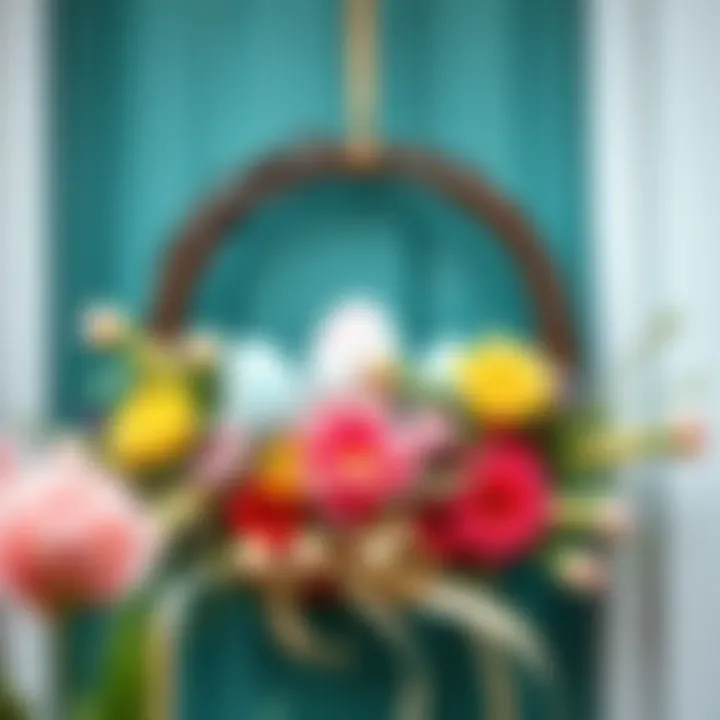
Intro
Crafting Easter wreath door hangers is much more than simply hanging a decoration on your front door. It’s an age-old practice steeped in tradition and symbolism, representing new beginnings and the arrival of spring. As the days grow longer and nature awakens, this craft offers a chance to bring a bit of that renewal into our homes.
The materials used, the designs created, and the techniques employed all play crucial roles in how these wreaths reflect personal style and seasonal significance. Whether an experienced artisan or a novice exploring new crafts, anyone can find joy in putting together a wreath that resonates with their own interpretation of Easter.
In this exploration, we will dive into the latest fashion trends surrounding Easter wreaths, discuss sustainable materials to enhance our crafts, and share easy maintenance tips to keep those creations looking fresh. Through merging traditional elements with modern styles, the aim is to inspire creativity while providing insights that elevate Easter décor to new artistic heights.
As we navigate through this guide, you'll discover the myriad ways in which Easter wreaths can come alive, reflecting both individual flair and the rich history behind this cherished tradition. Preparing to leap into this vibrant world of crafting, one can only hope to create wreaths that not only please the eye but also warm the heart.
So, let’s hop right into the latest trends!
Preface to Easter Wreath Door Hangers
Creating an Easter wreath door hanger is more than just a seasonal craft; it's an expression of joy, a symbol of renewal, and a way to welcome spring. These decorative accents can transform an ordinary entrance into a vibrant display of festive spirit. They offer a unique way for individuals to personalize their homes during the Easter season.
Easter wreaths serve several important purposes. For starters, they combine artistry with tradition, creating a blend that reflects both the maker's aesthetic and the colorful celebrations of Easter. It's common to see wreaths adorned with pastel colors, eggs, and flowers, which resonate with the themes of rebirth and life that spring brings.
Additionally, crafting these wreaths can foster creativity, allowing people to explore different materials and techniques. They can be completely customized to tell a story or represent personal beliefs. For many, this is a ritual that bridges family generations, where children learn the craft from parents and grandparents. It’s always special to see a child’s eyes light up as they add their unique flair, such as a pinecone fairy or hand-painted egg.
Moreover, Easter wreaths are practical. They can be fantastic conversation starters, drawing the eye of visitors and adding a welcoming touch to any entrance. With their versatility, wreaths can even be displayed beyond Easter, seamlessly transitioning into spring décor.
In the subsequent sections, we will dive deeper into the historical context of this cherished craft and explore its cultural significance. Let's examine where this tradition began, how it has transformed over time, and what it represents in various cultures around the globe.
Historical Context
The tradition of wreath-making can be traced back to ancient civilizations. In the Roman Empire, wreaths were often used as symbols of victory and honor. Though seasonal wreaths resembling those we know today weren't quite prevalent, the idea of decorating with greenery played a significant role in celebrations.
Culturally, the Easter wreath has evolved significantly. In Christian contexts, it symbolizes the resurrection of Christ, intertwining with the seasonal revival of nature. The incorporation of eggs into Easter wreaths mirrors the celebration of new life—an age-old symbol that dates back well before Christianity to pre-Christian spring festivals.
As customs merged and spread, countries around the world adapted wreath-making to fit unique local traditions. In Germany, for example, it is common to see colorful, handcrafted wreaths made from natural materials, while in the United States, especially in suburban neighborhoods, there are often delightfully vibrant creations sporting various craftsman materials.
Over the years, wreaths have transcended their religious connotations, becoming a broader symbol of seasonal change. This adaptability has solidified their place within home artistry, allowing individuals to express their personality and narrate their own stories through design.
Cultural Significance
The importance of Easter wreaths stretches beyond mere decoration; they are steeped in cultural and spiritual significance. For many families, creating an Easter wreath is an annual tradition that reinforces family bonds. Getting together to design and craft these wreaths can become a cherished ritual, which instills a sense of community and belonging.
Different cultures imbue their wreaths with distinct meanings. For instance, in some Hispanic cultures, wreaths symbolize the cyclical nature of life and death. They might incorporate vibrant colored flowers that signify the joy of resurrection and a new beginning. In Italian culture, the wreath can symbolize the unity of family, often adorned with colors representing hope and prosperity.
Wreaths also serve as reminders of the change of seasons. The vibrant flowers and intricate designs are laden with optimism and renewal. They remind individuals to embrace change and new opportunities, aligning with the broader themes of Easter.
In essence, crafting Easter wreath door hangers is a celebration of life, creativity, and community, representing a harmonious blend of history and personal expression. It's about decorating not just a door but also the very essence of what this season means to each individual.
As we delve deeper into the specific materials and crafting techniques, readers will find inspiration and insight into how they can join this timeless tradition.
Materials for Crafting Easter Wreaths
Creating an Easter wreath door hanger is more than just an artistic endeavor; it’s a way to weave tradition, creativity, and personal expression into one decoration. The materials you choose play a pivotal role in determining not just the look, but also the durability and overall symbolism of your crafted piece. In this section, we will dive into the selection of materials, focusing on natural elements, synthetic options, and eco-friendly choices, each bringing their unique flair to your wreath-making experience.
Natural Elements
When you think of a wreath, natural elements might spring to mind first. Things like twigs, flowers, and foliage are not just about aesthetics; they evoke the essence of nature and the rejuvenating spirit of spring. Twigs from willow or grapevines offer a sturdy base and lend an organic touch, while seasonal blooms—be it fresh daisies or dried lavender—infuse color and fragrance.
Using natural materials can also carry deeper meanings. For instance, the circular shape of a wreath represents eternity, a nod to the Easter theme of rebirth and continuity. When you incorporate elements like pine cones or moss, it not only adds texture but connects your creation to the earth itself. Moreover, sourcing from local landscapes can provide an intimate relationship between your craft and your surroundings.
A few things to bear in mind:
- Seasonality: Choose items that are in season for the freshest look.
- Longevity: If you use fresh flowers, consider how long you want the wreath to last.
- Allergies: Some users might be sensitive to specific plants, so it’s wise to consider your audience.
Synthetic Options
On the opposite end of the spectrum, you have synthetic materials. Plastic flowers, ribbons, and wreath bases molded from foam or metal can give you incredible versatility without the upkeep required by natural elements. These alternatives can be particularly appealing if you're looking for durability in changing weather conditions; they can withstand the elements much better than fresh items can.
One of the major pros of synthetic materials is the vast array of colors and styles you can find. From vibrant corals to pastel mint greens, these materials allow you to step outside the limitations of nature’s color palette. Additionally, they can be a more economical option as they often last for multiple seasons with proper care.
However, consider that using synthetic products might not resonate with everyone, especially those looking to keep things as organic as possible. Your choice here will also reflect your aesthetic intentions, making it imperative to strike a balance you’re comfortable with.
Eco-Friendly Materials
Sustainable crafting has become a trending topic, and for good reason. Embracing eco-friendly materials in your wreath-making not only supports environmental conservation but also offers innovative crafting experiences. There are numerous biodegradable options to explore, from reclaimed woods to repurposed fabrics, that can help minimize waste while creating beautiful decor.
Natural dyes derived from fruits and vegetables can add colors to fabrics or ribbons. Additionally, using upcycled items like glass ornaments or burlap scraps demonstrates a commitment to creativity and sustainability. Not only does it imbue your work with a unique charm, but it also sends a signal about your values regarding resourcefulness.
When you opt for eco-friendly materials, here's what to keep in mind:
- Local Sourcing: Try to find materials sourced from your community to cut down on transportation emissions.
- Upcycling: Consider how you can transform everyday items into wreath components, contributing to the circular economy.
- Maintenance: Eco-friendly does not mean low-maintenance; ensure the materials you choose can endure varied weather conditions.
"Using materials that resonate with your values not only enhances your creativity but also sends a message of sustainability to the world."
By carefully selecting your materials, you set the groundwork for an Easter wreath that carries depth, beauty, and meaning. The next sections will build upon this foundation, exploring design considerations that will further enhance your crafted piece.
Design Considerations
When it comes to crafting Easter wreath door hangers, attention to design considerations is paramount. The designs must reflect aesthetic preferences while resonating with the meaning of the season. Thoughtful design enhances not only the visual appeal of the wreath but its emotional impact as well. Factors such as color, themes, motifs, size, and proportion play significant roles in the crafting process, ensuring that the final piece captures the spirit of Easter.
Color Theory and Symbolism
Colors carry deep meanings, especially during festive times like Easter. For instance, pastels—such as soft pinks, light blues, and gentle yellows—evoke feelings of renewal and hope, aligning perfectly with the essence of spring. Utilizing white can symbolize purity, often associated with Easter traditions.
- Light Green: Represents new growth and life.
- Lavender: Denotes peace and tranquility.
- Bright Yellow: Often associated with sunshine and joy.
Incorporating these colors into wreath designs creates harmony and invites positivity into the home. It’s vital to remember, however, that balance is what makes any design appealing. Overloading with too many vibrant colors can result in a chaotic appearance that detracts from the wreath’s intended message.
"Color is the keyboard, the eyes are the harmonies, the soul is the piano with many strings." – Wassily Kandinsky.
Themes and Motifs
Easter wreaths can be deeply personal, and choosing a theme adds layers of significance to the design. Whether opting for traditional elements like bunnies and eggs or leaning into more modern motifs such as florals, the theme should reflect the crafter's style and the household’s ambiance. Common themes include:
- Religious Symbols: Crosses and lilies signify the spiritual aspect of Easter.
- Nature-Inspired: Incorporating elements from nature, such as small branches or dried flowers, can create a rustic, organic feel.
- Whimsical Touches: Playful designs featuring playful characters or bright decor appeal to families, particularly those with young kids.
Using motifs that resonate with personal memories or family traditions can turn a simple wreath into a cherished heirloom, thereby increasing its significance.
Size and Proportion
The size and proportion of the wreath are operational considerations that affect its overall impact. A wreath that is too small may appear lost on a large door, while an oversized piece might overwhelm a small entryway. Striking a balance between these aspects requires careful planning.
- Standard Sizes: A diameter of 18-24 inches is typical for most home entrances.
- Scaling: When designing a wreath to be displayed alongside larger Christmas decorations, proportion should be taken into account to ensure a cohesive look throughout the seasons.
Achieving proper proportion enhances visual balance, making the wreath not just a decoration but a statement piece that transforms the entryway into a seasonal showcase.
Crafting Techniques
Crafting techniques form the backbone of creating intricate Easter wreaths, imbuing not only structure but also personality to one’s decoration. These techniques can vary significantly based on the materials used, the desired look, and the skill level of the crafter. Understanding these methods is paramount for anyone looking to create wreaths that are not just visually appealing but also carry a sense of craftsmanship and care. By mastering various techniques, you unlock a wider range of design possibilities. The attention to detail that comes from applying these crafting methods can elevate a simple wreath into a cherished piece of art.
Step-by-Step Assembly
Building an Easter wreath step-by-step ensures that each element is thoughtfully integrated. Begin with a solid base, often made from a foam or grapevine frame, which serves as the skeleton of your wreath. Here’s a straightforward approach to assembling it:
- Gather Supplies: Collect your chosen materials, be it vibrant flowers, ribbons, or decorative eggs. Having everything at hand before you begin makes the process smoother.
- Start Layering: Attach your main features first. For instance, if you are using flowers, start by securing the largest blooms around the base. Make sure to distribute colors evenly to achieve a balanced look.
- Fill In Gaps: Once the prominent elements are affixed, fill in any gaps with smaller decorative items. This could include foliage, smaller flowers, or even faux grass. A well-filled wreath looks lush and inviting.
- Secure Everything: Use floral wire or a hot glue gun to ensure that your decorations stay put. There’s nothing worse than a cluster of flowers falling off when you least expect it.
- Final Adjustments: Step back and analyze your work. If something seems off, now is the time to make adjustments before the wreath is fully completed.
This process, while seemingly straightforward, requires a bit of practice to perfect.
Incorporating Mixed Media
Mixed media in wreath crafting allows for an eclectic blend of textures and materials, transforming your creation into a multifaceted visual experience. It can include combining natural elements with synthetic ones, such as mixing burlap with satin ribbons or wooden items with floral designs. Here’s how to get creative:
- Layer Textures: Use contrasting materials to create depth. Consider pairing a rustic twig base with smooth silk flowers. The juxtaposition can create a captivating focal point.
- Experiment with Forms: Add elements like metal charms, painted eggs, or fabric strips that catch the eye. Such items can express personality, making your wreath distinctly yours.
- Color Play: Incorporate various shades and hues from your materials. For instance, use pastel colors common in spring, but also consider bold colors that stand out against typical muted backgrounds.
By experimenting with varied mediums, you not only enjoy the crafting process more but also run the risk of discovering unique combinations that others might not think of.
Finishing Touches and Details
The finishing touches are where the magic happens. These are the details that ultimately define the quality of your wreath. They might seem minor in the grand scheme but they can significantly enhance the visual narrative of your creation:
- Add a Bow: A hand-tied bow can serve as a centerpiece or accent in your wreath. Consider the size and fabric; something airy like organza might give a light feel, while something heavier like velvet adds a sense of richness.
- Personalized Elements: Consider embellishing your wreath with items that tell a story. This could be a family photo, handmade ornaments, or even texture-rich, sentimental items that evoke cherished memories.
- Final Spruce Up: Once everything is in place, check if there are any loose ends that require trimming or rearranging. Sometimes, a simple adjustment boosts the overall appearance a notch higher.
These finishing details underscore the craftsmanship in wreath making, making each piece not just a decoration for Easter but a conversation starter or part of your home’s lasting memory.
"Crafting a wreath is akin to storytelling--every piece adds a line to the narrative, every finish a punctuation of joy."
By engaging with these crafting techniques, you’re not just creating a door hanger; you’re inviting a piece of your creativity and personality into the world.
Personalization Options
Personalizing Easter wreath door hangers is pivotal in transforming a simple decoration into a cherished symbol of individuality and family legacy. The art of customization grants the creator power to imbue personal significance, thereby making the wreath a reflection of oneself or a heartfelt gift. In the realm of decor, personalization fosters a deeper connection, evoking memories, celebrating milestones, or simply expressing tastes.
Personalization brings several advantages to your wreath crafting:
- Uniqueness: Adding personal elements ensures no two wreaths will be the same. Each door hanger narrates a story, setting it apart from mass-produced options.
- Emotional Value: A wreath adorned with a family name or cherished memento becomes more than decor; it embodies love and connection.
- Gift Potential: Custom wreaths make for thoughtful gifts, ideal for celebrating achievements, welcoming new neighbors, or celebrating the arrival of spring.
When considering personalization, one should think about what resonates most with them or the recipient. What memories do you want to evoke? What sentiments do you wish to express? In the forthcoming subsections, we will delve into specific methods for personalizing wreaths, exploring how each approach can enhance both the look and meaning of your creation.
Adding Names or Initials
Incorporating names or initials into your Easter wreath adds a touch of familiarity and warmth. Whether it's a last name strung across the top or initials elegantly wrapped around the base, these personal touches resonate deeply with family identity. A name on a wreath serves as a welcoming gesture, instantly making guests feel at home.
Consider the following when adding names or initials:
- Font Choice: Select a style that reflects the personality of the recipient. Script fonts convey elegance, while block letters deliver a modern vibe.
- Placement: Think of where to position the name. Should it be central, or perhaps nestled among floral accents?
- Material: The name could be crafted from wood, metal, or even fabric, depending on the overall theme of the wreath.
These names become grounding elements, linking the decor with shared family narratives.
Custom Messages and Quotes
Custom messages or quotes transform an ordinary wreath into a canvas of expression. Whether it's a cheerful "Happy Easter" or a heartfelt quote about family or renewal, adding text gives voice to the wreath. It encapsulates a sentiment that resonates seasonally and personally.
When implementing messages:
- Choose Wisely: Select words that hold significance or inspire happiness. It could be a quote from a beloved book, a lyric from a cherished song, or even a saying that a family holds dear.
- Design Integration: Ensure the font and color blend harmoniously with the rest of the wreath. For example, a pastel palette can create a softer look, while bold colors can make statements pop.
- Location: Is the message better placed at the bottom for subtlety, or at the top to grab attention? Positioning can affect the wreath’s flow and aesthetic balance.
"The right phrase can turn an ordinary object into a statement piece; it breathes personality into a lifeless facade."
Using Family Heirlooms or Sentimental Items
Incorporating family heirlooms or sentimental items takes personalization to an even deeper level, offering a tactile connection to the past. Perhaps a button from a grandmother’s favorite coat or a small ornament from a cherished holiday can be woven into the design. Each item tells a tale, fostering connections across generations and making the wreath much more than just seasonal decor.
Key considerations include:
- Display: Heirloom items can serve as focal points or subtle accents. Think about how you can integrate these pieces without overwhelming the rest of the wreath.
- Compatibility: Ensure the materials or colors of the heirloom fit the theme of the wreath. Mixing and matching can be powerful, but cohesion remains key.
- Story Sharing: Incorporate a small tag or note explaining the significance of the item, allowing the wreath to encapsulate not only beauty but also meaning.
These personalized elements piece together a narrative that can be shared each time someone admires the wreath, making it an integral part of family traditions.
Seasonal Usage and Display
Understanding the Seasonal Usage and Display of Easter wreath door hangers is essential for both their creation and utilization. The beauty of these wreaths lies in their ability to capture the spirit of the season and translate it into a warm, welcoming gesture for visitors. Beyond simple decoration, they serve as a canvas that reflects personal style and conveys festive themes.
The benefits of showcasing wreaths seasonally extend beyond aesthetics. When displayed for specific holidays, like Easter, they act as conversation starters, enrich group gatherings, and contribute to the overall ambiance of a home. Seasonal wreaths have a unique way of connecting families and friends through shared traditions. The vibrant colors and thematic elements associated with Easter — pastel tones, floral motifs, and playful icons like bunnies and eggs — often evoke a sense of nostalgia, rooting deeper in a cultural context.
Easter Celebrations
During Easter celebrations, wreaths can take center stage on your front door, symbolizing new life and renewal. Traditionally, these wreaths are designed with materials that resonate with the essence of spring. For instance:
- Floral Accents: Freshly picked blooms or faux flowers can be included. Daisies, tulips, and narcissus are particularly evocative of the season.
- Symbols of Rebirth: Items like eggs or birds can be added, symbolizing fertility and resurrection, central themes of Easter.
In many households, making an Easter wreath becomes a family project, with members contributing ideas or materials, making it a collaborative effort. The finished product is often hung prominently, instantly boosting the charm of any home. For those looking to connect with their neighborhoods or invite guests to celebratory gatherings, these wreaths serve as welcoming gifts that reflect joyous intentions.
"A beautifully crafted wreath can transform the ordinary into the extraordinary, making it a statement piece that invites curiosity and awe."
Transitional Decor for Spring
As Easter passes, wreaths remain valuable tools for transitional decor. Once the vibrant Easter festivities wrap up, many prefer to keep their door hangers up, allowing for a smooth transition into the full bloom of spring. Here, the focus shifts slightly from Easter-specific motifs to broader themes of spring renewal. Consider:
- Earthy Tones and Natural Elements: Instead of the pastel palette typical for Easter, incorporate earthy greens, soft yellows, or florals to reflect the essence of spring.
- Customization for Versatility: Accessories such as ribbons, seasonal fruits, or even textured elements like twigs can elongate their lifespan, allowing them to remain relevant well into the season.
Utilizing wreaths as transitional pieces means they can evolve alongside the changing seasons, maintaining relevance without the need for constant redecoration. This kind of utilization highlights the importance of choosing adaptable designs and materials, paving the way for a seamless flow from one festive occasion to another.
In summary, wreaths for Easter not only celebrate the season but also carry narratives that resonate throughout spring. Their charm lies in their ability to act not just as decorations but as reflections of personal stories and shared experiences. Incorporating thoughtfulness in seasonal usage ensures these door hangers sustain their value and significance as traditions evolve over time.
Care and Maintenance
When it comes to crafting Easter wreath door hangers, the importance of proper care and maintenance cannot be overstated. These beautiful creations not only bring a touch of festive flair to our homes, but they also represent a labor of love. Taking time to ensure that your wreath remains vibrant and intact extends its life, allowing it to be reused for years to come. Understanding the specific requirements for cleaning and storage can significantly enhance both the aesthetics and longevity of your wreaths, making every celebration feel fresh and special.
Cleaning Techniques
Cleaning your Easter wreath is a crucial step in preserving its vibrancy and overall appearance. Dust, pollen, and moisture can dull the colors and obstruct the beauty of this decorative piece. Here's how to effectively clean your wreath:
- Use a Soft Brush: A soft-bristled brush or even a gentle cloth can be your best friend. Lightly brush off any dust or debris accumulated over time.
- Water and Mild Soap Solution: For wreaths made of durable materials, a mixture of warm water and a few drops of mild dish soap can work wonders. Dampen a cloth in this solution, wring it out well, and gently wipe the surfaces of your wreath. This technique is particularly effective for natural elements such as twigs or dried flowers.
- Rinse with Clean Water: After using the soap solution, it's wise to rinse your wreath with clean water to remove any soapy residue. Ensure it is done gently to avoid damaging any fragile components.
- Dry Thoroughly: It’s critical to dry your wreath completely. Hang it in a well-ventilated area or pat down with a towel. This prevents mold and mildew, especially if your wreath has been exposed to moisture.
Cleaning your wreath doesn’t just make it look good; it also preserves its integrity for future displays.
Storage Solutions
Proper storage is equally as important as cleaning. When the Easter celebrations have come to an end, how you store your wreath can dictate its condition for next year. Here are some effective storage tips:
- Avoid Extreme Temperatures: Store your wreath in a cool, dry place. Avoid attics or basements that experience wide temperature fluctuations, as this can cause materials to warp or degrade.
- Use a Wreath Box: Investing in a dedicated wreath box can keep your decoration safe from dust, bugs, and accidental squashing. Look for boxes that are padded to prevent crushing delicate elements.
- Keep Flat: If possible, store your wreath flat. Hanging it might stretch the materials over time, especially if it’s a heavier design.
- Label Your Boxes: If you have multiple wreaths for various seasons, label each box clearly. This simple step can save you time and hassle when it’s time to display them again.
By implementing these care and maintenance strategies, your Easter wreath door hangers will not only stay in excellent condition but will also remain a cherished tradition for years to come.
Proper care today means vibrant celebrations tomorrow. Embrace the upkeep!
Inspiration and Trending Ideas
The necessity of keeping up with inspiration and trending ideas in wreath design can’t be understated. It serves not only as a springboard for creativity but also reflects the changing tides of aesthetic preferences each season. The Easter wreath door hanger is not merely a decorative piece; it embodies the spirit of renewal and celebration inherent in the spring season. By tapping into current trends, crafters can approach their creations with fresh eyes, discovering innovative ways to express their style while resonating with the broader cultural context during Easter celebrations.
Current Trends in Wreath Design
Staying ahead in wreath design often involves looking at what’s taking center stage in various craft communities. Current trends reflect a blend of traditional craftsmanship and modern aesthetics, and embracing these can elevate any wreath project.
- Natural Textures: One of the most enduring themes is the use of natural textures, such as twine, burlap, or vine. This trend pulls from a desire to connect with nature, offering a rustic yet elegant appearance. Incorporating elements like dried flowers or branches can add a seasonal touch while still maintaining the natural allure.
- Minimalism: In contrast, minimalistic designs have struck a chord with many. Using fewer elements but placing emphasis on high-quality materials can create a strikingly elegant look. This approach echoes the philosophy of less being more, making a simple wreath adorned with a few well-placed blooms or leafy greens profoundly impactful.
- Bold Colors: Bright, bold colors are making their mark this Easter. Think vibrant yellows, pinks, and blues. These colors not only reflect the joyous spirit of the season but also allow crafters to play with visual appeal. A well-placed pop of color can turn a simple wreath into an eye-catching masterpiece.
- Theming: Thematic wreaths are gaining popularity as people look to add a storytelling element to their decor. Whether it’s a vintage Easter or a garden party theme, wreaths can convey moods, traditions, or personal stories, drawing attention and engagement from all who see them.
Vignettes and Complementary Decor
Creating visual vignettes around an Easter wreath can enrich the overall atmosphere of the home. A single wreath may catch the eye, but when used as part of a larger display, its effect multiplies. A few tips to consider include:
- Layering Elements: Use accents like pastel-colored eggs, seasonal fruits, or even synthetic birds to enhance the wreath's visual narrative. Layering these elements doesn’t just draw attention but creates a textured look that feels cohesive and intentional.
- Height Variation: Use items of varying heights to construct your vignette. Incorporate tall candles or decorative stands that can elevate certain elements, giving depth to the overall display.
- Contextual Themes: Consider the wider context of Easter. If a wreath celebrates new life, add tiny plants or spring flowers to reinforce that idea. Conversely, if it evokes nostalgia, draping some vintage fabric can help create that atmosphere.
In closing, staying attuned to inspiration and trends enables crafters to customize their creations while adhering to contemporary themes. It allows for a unique blend of personal style and communal norms, which is essential in today’s ever-changing aesthetic landscape.
"Creativity is allowing yourself to make mistakes. Art is knowing which ones to keep."
For further reading on trends in decoration and craftsmanship, check out Wikipedia's article on wreaths or visit Britannica for more on seasonal decorations for insights.
Sustainability in Crafting
Sustainability in crafting is not just a passing trend; it's a crucial aspect of modern artistic endeavors, especially when it comes to Easter wreath door hangers. As we look to celebrate this festive occasion, we find ourselves at a crossroads where creativity meets environmental responsibility. The materials chosen, the processes employed, and the values embedded in these crafts can significantly impact our environment.
Today’s crafters are increasingly aware of the consequences their choices have on the planet. Sustainable crafting encourages us to minimize waste, reduce carbon footprints, and promote eco-friendly practices without sacrificing aesthetics. This is particularly salient in the age of rising climate consciousness, where even an innocent door wreath can become a statement of one’s eco-awareness. Therefore, integrating sustainability into wreath crafting not only enhances its appeal but also aligns with the broader movement toward environmental stewardship.
Choosing Sustainable Materials
The choice of materials plays a vital role in sustainability. When crafting Easter wreaths, opting for sustainable materials can make all the difference. Here are a few options:
- Natural fibers: Materials like cotton or jute are biodegradable and can break down in nature, making them excellent choices.
- Recycled elements: Consider using previously loved items, like old cloth or paper, which can bring a unique touch to your wreath and keeps waste out of landfills.
- Locally sourced items: Supporting local artisans or businesses that practice sustainable harvesting reduces the carbon emissions associated with transporting materials.
- Plant-based adhesives: If glue is necessary, look for chemical-free or plant-based options that are less harmful to the environment.
By being mindful of the materials we use, crafters can create stunning wreaths that are not only beautiful but also reflect a commitment to the environment.
The Impact of Crafting Waste
In the world of crafting, waste can be a significant issue. Each piece of offcut material, unused embellishment, or even tools that lose their usefulness adds to a growing trend of overconsumption. Understanding the impact of this waste is key for anyone looking to craft with sustainability in mind.
"Every little scrap you toss away can take years to decompose, while your creativity can transform these remnants into something valuable."
To mitigate crafting waste, consider the following strategies:
- Plan your projects: Outline every step before starting to minimize excess materials.
- Recycle and repurpose: Use leftover materials from previous crafts for new projects. An old wreath can easily be revamped with new decor elements.
- Educate others: Share knowledge about sustainable practices within your crafting community, which can lead to collective change.
By consciously addressing crafting waste, crafters can contribute to a more sustainable future, ensuring that their art not only beautifies homes but also honors the earth.
The End
Creating Easter wreath door hangers is not just a mundane task; it is an engaging expression of creativity that bridges the gap between personal storytelling and seasonal celebration. In a world where mass-produced items often dominate home decor, the act of crafting your own wreath stands out as a meaningful endeavor. It allows individuals to infuse their personal touch, showcasing not only individual style but also a unique connection to tradition.
The Future of Wreath Crafting
Looking forward, the crafting community is ripe for innovation. As sustainable practices take center stage, the future of wreath crafting will likely shift towards more eco-friendly materials and methods. Artisans and enthusiasts alike are adopting a philosophy that embraces sustainability without compromising aesthetic appeal.
One emerging trend is utilizing foraged elements, such as twigs, dried flowers, and even leaves from local gardens, which enriches a wreath’s texture while promoting environmental consciousness. Additionally, the popularity of workshops and online tutorials means that sharing knowledge on sustainable crafting methods is becoming mainstream.
The fusion of technology and tradition is also set to redefine wreath crafting. For instance, digital platforms can simplify the design process through virtual modeling, helping crafters visualize finished products. Patterns and templates shared online can inspire countless variations based on individual preferences. As more people turn to crafting as a hobby, the collaboration between crafters via social media will lead to a communal exchange of innovations and techniques.
Final Thoughts
Consider your own journey in wreath crafting. Embrace the materials that speak to you, explore different design avenues, and let your imagination lead. By doing so, you not only produce a beautiful piece of art but also participate in a deeper cultural practice that honors both the past and the future. This connection makes each wreath a unique expression of individuality.
Crafting is more than just a hobby; it is a way to nourish the spirit and celebrate the beauty of seasonal transitions. May your future wreath-making endeavors be as fulfilling as they are beautiful.