Explore the Allure of Asymmetrical Chiffon Dresses
Intro
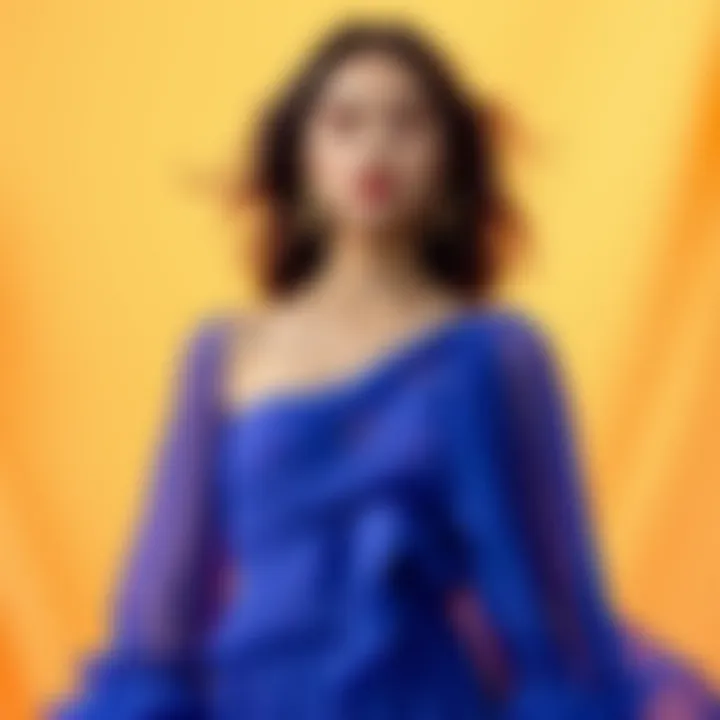
As fashion continues to evolve, so do the choices available for dressing up. One standout option that has taken the fashion world by storm is the asymmetrical chiffon dress. Characterized by its unique cut and flowy fabric, this style of dress is not just a wardrobe staple; it’s a statement piece. Understanding the subtleties of this garment can help anyone, from a casual wearer to industry professionals, appreciate its charm and versatility.
Moreover, the intrinsic qualities of chiffon as a fabric play a crucial role in determining the appeal of these dresses. Those familiar with the fabric can attest to its delicate texture and the way it drapes, while others may find it perplexing at first. As we dive deeper, we'll examine the fashion trends that highlight asymmetrical chiffon dresses, the styling options that elevate them, and the sustainable practices that now accompany their production.
In today’s climate-conscious world, considerations around fabric sustainability have become pivotal. Chiffon, traditionally made from silk or synthetic fibers, has seen a shift in its production methods to align with eco-friendly practices. This exploration aims to illuminate not only the aesthetic appeal of asymmetrical chiffon dresses but also their relevance in the broader dialogue of responsible fashion.
Stay tuned as we explore various styles, tips for maintenance, and the most recent trends in the realm of asymmetrical chiffon dresses.
Understanding Asymmetrical Design
Asymmetrical design is a powerful force in fashion, shaping how garments are perceived and worn. This topic is pivotal because it captures the essence of individuality and creativity in an industry often marked by symmetry. Embracing asymmetry means breaking traditional norms and celebrating the beauty of imbalance. As a result, this style can elevate an outfit beyond mere clothing into a statement of personal expression.
One of the main benefits of asymmetrical design is its versatility. An asymmetrical chiffon dress, for instance, can sway effortlessly between casual and formal occasions, appealing to a wide range of fashion tastes. It allows wearers to express multiple facets of their personality without being confined to standard cuts, which can feel monotonous. Moreover, asymmetry inherently draws attention, guiding the eye in unexpected directions. This captivating element can enhance a silhouette and highlight features in a unique manner.
However, there are considerations when incorporating asymmetrical designs into one’s wardrobe. Understanding body shapes, for instance, plays a crucial role. Depending on where the asymmetry lies—be it in necklines, hemlines, or draping—certain styles may complement different figures better than others. Additionally, contrasting patterns or textures can further emphasize asymmetry, allowing for a well-rounded look. A keen eye for detail and a bit of trial and error can transform an outfit into a masterpiece.
In summary, acknowledging the significance of asymmetrical design equips fashion enthusiasts and industry professionals with insights that enrich their understanding of contemporary styles. It invites creativity while fostering a connection between the garment and its wearer, making way for a dynamic approach to fashion.
Defining Asymmetry in Fashion
Asymmetry in fashion refers to the intentional imbalance in design, where elements vary in size, shape, and proportion. This can manifest in various ways—from an off-center neckline to a hemline that dips on one side. Asymmetrical designs are appealing because they challenge conventions, offering a fresh perspective on how clothing can look and feel.
Asymmetry stands in stark contrast to traditional silhouettes, which often rely on balance and uniformity. In this dance of design, the unexpected becomes intriguing. Various designers have adopted asymmetrical styles, as seen in collections by creators like Issey Miyake or Comme des Garçons. Their work pushes boundaries and encourages wearers to rethink the way they view fashion.
This approach to design not only reshapes aesthetics but also cultivates a dialogue about identity and self-expression. It inspires wearers to embrace their unique qualities rather than conforming to societal norms.
Historical Context of Asymmetrical Silhouettes
The origins of asymmetrical silhouettes can be traced back centuries, with roots in various cultures. In ancient Greece, for example, draped garments showcased an uneven cut, allowing the fabric to flow and move organically with the body. Fast forward to the 20th century, when designers like Paul Poiret broke away from corsetry, introducing free-flowing, asymmetrical styles that reflected a new era of freedom in fashion.
The 1980s witnessed a resurgence in asymmetrical designs, largely influenced by the punk movement. Designers like Jean-Paul Gaultier embraced the cut to symbolize rebellion against the fashionable norms of the time. Those designs often featured stark contrasts in materials and textures, pushing wearers to challenge their sartorial boundaries.
These historical contexts show how asymmetrical design has evolved, serving not just as a fashion statement, but as a mirror reflecting societal changes and cultural movements. Asymmetry continues to influence contemporary fashion, inviting a new generation to explore its possibilities.
Chiffon: The Fabric of Choice
Chiffon holds a special place in the realm of fashion, particularly when it comes to crafting asymmetrical dresses. This ethereal fabric serves not only as a backdrop for design elegance but also adds layers of functionality for the wearer. Its lightweight and sometimes translucent nature makes it a popular choice for a variety of occasions, giving an air of delicacy and sophistication. In this section, we will delve into the properties of chiffon, examine how it stacks up against other fabrics, and explore its overall significance to the asymmetrical dress.
Properties of Chiffon
Lightweight Nature
The lightweight nature of chiffon is often its first claim to fame. Being feather-like, it tends to hang beautifully without clinging to the body. This characteristic is vital for those wearing asymmetrical designs, as it allows the garment to drape gracefully across the silhouette. Additionally, the fabric's lightness provides comfort, making it a popular choice for warm-weather events. However, one drawback is its tendency to wrinkle easily, requiring careful handling during transportation and storage.
Sheer Quality
Sheer quality is another hallmark feature of chiffon, allowing it to create striking visual effects. When layered, it can add depth and allure, an element that resonates well with asymmetrical cuts. This transparency makes chiffon a unique fabric because it can transform a simple garment into an eye-catching statement piece. Yet, one must consider that sheer materials can sometimes require additional underlayers or careful styling to avoid overexposure, which could be seen as a disadvantage in certain settings.
Flow and Movement
Flow and movement are perhaps the crowning glory of chiffon fabric. The way it flutters with each step captivates the observer, adding a dynamic quality to the garment. This fluidity is essential for an asymmetrical dress, as it enhances the overall aesthetic and gives the wearer a sense of power and poise. On the flip side, chiffon’s movement can make it challenging to work with when creating structured designs, as its natural tendency is to float rather than conform to hard shapes.
Chiffon vs. Other Fabrics
Comparative Weight
When comparing chiffon to heavier fabrics such as velvet or denim, its lightness is a significant advantage, particularly in creating layered or flowing designs. The reduced weight not only makes it easy to wear but also allows for greater versatility in terms of styling. However, lighter headings often make chiffon less durable than its heavier counterparts, raising concerns about longevity, especially with frequent wear.
Texture Differences
Texture plays a critical role in how a fabric is perceived and utilized in fashion. Chiffon's unique smoothness sets it apart from rougher textures like canvas or twill. This softer texture not only elevates the sophistication of an asymmetrical dress but also creates a luxurious drape. However, while many love the feel of chiffon, it can sometimes lack the grip needed to anchor embellishments or accessories firmly, potentially causing them to shift unexpectedly.
Breathability Features
Breathability in fabrics is a vital consideration, especially for those who prioritize comfort during warm days or prolonged wear. Chiffon's weave allows for excellent air circulation, making it an ideal fabric for summer outings or formal events. Yet, this same breathability means it may not provide the warmth needed in cooler environments, which can be a detriment during transitional seasons or evening wear.
"Chiffon’s weightlessness and fluidity mark it as a vital choice for any stylish wardrobe, especially for those who appreciate the art of asymmetrical design."
In summary, chiffon is more than just a lightweight fabric; it is a versatile choice that brings unique properties to the table. Understanding its qualities will not only assist in making more informed wardrobe choices but also enhance the experience of wearing an asymmetrical chiffon dress.
Styling an Asymmetrical Chiffon Dress
In the world of fashion, the way a garment is styled can make all the difference. Styling an asymmetrical chiffon dress isn't just about picking complementary colors; it embodies expressing personal taste and creativity. This section explores how various elements can enhance the dress's unique silhouette, allowing the wearer to stand out, whether on a bustling city street or at a high-end gala.
Choice of Footwear
High Heels for Elevation
Choosing high heels can bring a transformative quality to an outfit, especially with an asymmetrical chiffon dress. They elevate not only the wearer’s height but also the overall posture, creating a streamlined appearance. A sleek pair of stilettos can lengthen the legs, making the asymmetry of the dress even more pronounced. The subtle shift in body dynamics when donned with heels can add an air of confidence, which becomes tangible. While heels can boost elegance, they might not always be comfortable for every occasion. The trick lies in balancing style with wearability for the event at hand.
Flats for Comfort
Opting for flats can be a wise choice, particularly during those long, laid-back outings. They provide a good base without compromising comfort. A chic pair of ballet flats or stylish loafers can round off the asymmetric cut beautifully, without taking away from the dress’s charm. Their ease allows the wearer to navigate various settings seamlessly; however, they might not present the same level of visual impact as heels. For casual brunches or outdoor events, flats can certainly deliver a fresh youthful look.
Boots for Edgy Looks
Boots can introduce a whole new angle to styling asymmetrical dresses. Whether it be ankle boots with a slight heel or knee-high designs, they assert a unique personality to the ensemble. This option is favored particularly in cooler months, giving a bold edge while keeping the wearer insulated. The juxtaposition of soft chiffon with rugged boots presents an intriguing balance. However, ensuring the colors and textures blend is crucial to avoid an oversaturated effect in the outfit.
Accessorizing the Look
Jewelry Considerations
Accessorizing can turn a simple look into a statement. When considering jewelry, the key is to choose pieces that echo the dress's aesthetics without overwhelming it. Delicate necklaces or statement earrings could bring a sparkle without overshadowing the dress's silhouette. However, too much bling can divert attention from the asymmetrical beauty. Finding a harmonious balance is essential, keeping in mind the event, mood, and personal style.
Bag Selections
The right bag can complement the overall ensemble, serving both functional and aesthetic purposes. A clutch can work wonders for a formal occasion, whereas a crossbody bag suits casual outings just fine. The bag's material should ideally blend with the dress—perhaps suede or leather—to maintain a consistent vibe. Each choice comes with its respective pros and cons; a larger bag may be practical but could detract from the elegant flow of an asymmetrical silhouette.
Hats and Scarves
Hats and scarves can be fantastic layering pieces. A wide-brimmed hat can evoke a sense of mystery and sophistication, perfect for events under the sun. Scarves can introduce colors or patterns, making the asymmetrical dress pop in an unpredictable way. Yet, these additions must be considered carefully; over-accentuating can create visual clutter, whereas a single bold accessory can enhance elegance.
Layering Techniques
Using Shrugs and Boleros
Layering with shrugs or boleros can add depth and warmth to an asymmetrical chiffon dress. These lightweight cover-ups can serve both functional and fashionable purposes, especially on cooler evenings or in air-conditioned spaces. Balancing the structure of a shrug with the flowing nature of chiffon can bring harmony to the outfit. Although, excessive embellishment can lead to a mismatch, so selecting understated pieces puts the dress in the spotlight.
Integrating Outerwear
Particularly during transitional seasons, outerwear becomes a crucial piece in styling. A tailored blazer can refine the asymmetric cut for a professional setting, while a denim jacket could lend a more casual flair. Attention must be given to the fit and formality of the outerwear to ensure it complements rather than distracts. The duality of functionality and style is key here; a versatile coat used well can create a refined ensemble.
Creating Depth with Tights
Tights can contribute significantly to the overall aesthetic, adding an element of depth. The texture and tone of tights can change the way a dress is perceived—from playful to sophisticated, depending on the choice. A semi-opaque tight can enhance the dress's flow without overtly competing with it. Pairing the right tights with an asymmetrical piece can create an engaging visual narrative, although color coordination must not be overlooked to maintain a more streamlined look.
Occasions for Asymmetrical Chiffon Dresses
Asymmetrical chiffon dresses aren't simply fashionable; they serve a variety of purposes across different settings. Understanding the occasions where these dresses shine can help in making the right choice for your wardrobe. Whether it’s a formal gathering or a casual outing, the beauty of asymmetrical designs is their versatility.
Formal Events
Wedding Attire
Weddings are often deemed the climax of formal events, and asymmetrical chiffon dresses claim a unique space in this milieu. Their elegance complements the joyous atmosphere beautifully. The flowing nature of chiffon allows for graceful movement, which is particularly fitting for ceremonies and receptions.
Given the emotional charge of the day, bridesmaids wearing asymmetrical cuts can easily stand out without stealing the show. This design tends to be popular because of its ability to flatter various body types, enhancing the wearer's self-confidence during captivating moments. However, it's essential to choose the right shade that harmonizes with the wedding theme to avoid unwanted clashes.
Gala Outfits
Gala evenings require a balance of sophistication and glamour, and asymmetrical chiffon dresses fit the bill splendidly. Their whimsical silhouette can elevate an otherwise standard evening attire into something attention-grabbing. A hallmark feature of gala outfits is that they often channel opulence, and chiffon embodies a kind of airy luster that draws the eye.
When paired with statement accessories, the entire look can be transformed into something remarkably chic. Nonetheless, caution should be taken regarding fit, as an overly loose garment might not convey the desired image of elegance, crucial for these upscale social gatherings.
Prom and Evening Functions
Prom night is a rite of passage for many, making the choice of attire critically important. Asymmetrical chiffon dresses serve as a prime option, allowing high school students to showcase their personalities while remaining appropriately dressed for the occasion. The unique hemline adds a playful yet sophisticated touch that resonates well with the excitement of prom.
One of the significant advantages here is the dress's ability to balance grace with youthful exuberance. But one challenge could be the fact that these dresses often require careful styling; selecting the right shoes and accessories is essential to ensure the overall look shines without overwhelming it.
Casual Wear
Daytime Outfits
When it comes to casual wear, asymmetrical chiffon dresses are surprisingly adaptable. For daytime events or errands, these dresses offer both style and comfort. The lightweight fabric coupled with an asymmetrical design enhances breathability, ideal for warmer months. This makes them a beneficial choice for a laid-back brunch or an afternoon out with friends. While they look polished, the dresses don’t scream for attention like formal wear would. However, finding the right length is crucial. A too-long asymmetrical dress could make casual wear seem more formal than intended, detracting from the relaxed vibe of a casual outing.
Brunch Options
Brunches often lean towards a mix of comfort and chic, and an asymmetrical chiffon dress can be the perfect solution. The unique hem can add interest, distinguishing it from your standard day dress. The floaty nature of chiffon means one can sip mimosas freely without worrying about restricting movements. This style seems to blend right into the laid-back yet stylish atmosphere typical of brunch gatherings.
There’s a quirky downside, though; too many layers or intricate designs can look out of place in a casual environment. Finding a balance ensures you maintain the casual nature of the event without appearing overdone.
Beach and Vacation Styles
On vacation or at the beach, an asymmetrical chiffon dress can double as a chic cover-up or an outfit for casual outings. The soft texture of chiffon makes it feel great against the skin, while its draping silhouettes enhance the ease of movement during fun, carefree moments by the water.
With the added bonus of not clinging too tightly to the body, it can provide a relaxed fit that works well in various settings - from beach strolls to seaside cafes. Nevertheless, one must consider factors like wind and water since chiffon can be prone to damage and may require additional care to maintain its airy look.
Asymmetrical chiffon dresses are a staple, blending elegance with ease for a variety of occasions, making them an essential addition to any wardrobe.
Care and Maintenance of Chiffon
Taking care of chiffon is paramount if you want your asymmetrical chiffon dress to last. This ethereal fabric, while beautiful, requires considerate handling owing to its delicate nature. Understanding proper care helps in preserving the dress’s quality, ensuring it remains a go-to option in your wardrobe for more than just a fleeting moment.
Washing Guidelines
- Hand Washing Techniques
Washing by hand is a gentler option that champions the longevity of your chiffon dress. When you opt for this method, you control the pressure and avoid the rigors of a machine wash. Use cool or lukewarm water mixed with a mild detergent, gently agitating the fabric. The beauty of hand washing lies in its ability to minimize the risk of snagging. However, be mindful; excessive squeezing can stretch the fabric. - Machine Wash Considerations
While some might think machine washing is a quick fix, it is crucial to note that chiffon may snag easily during the spin cycle. If you choose this route, select a gentle cycle and place the dress in a protective laundry bag. The key characteristic of this method is speed, and it can save time. However, it's riskier. The unintended consequences of improper settings can lead to tangled threads and frayed edges. - Detergent Choices
The kind of detergent you use can have a significant effect on the fabric. Opting for a mild, phosphate-free detergent keeps the fabric intact without stripping its color. The unique feature of choosing the right detergent is that it impacts both the cleanliness and the integrity of the fabric. Harsh chemicals can degrade chiffon over time, so investing in a suitable product is always the wise choice.
Storing Your Dress
A crucial aspect of maintaining chiffon involves how you store the dress when it’s not in use. The proper storage method can prevent unwanted creases and damage, ensuring that your garment is always ready to wear.
- Proper Folding Techniques
If you decide to fold your chiffon, do so carefully, making sure to keep the fabric laid flat without heavy pressure on any one area. This method allows for easy storage, prevents creasing, and helps maintain shape. However, improper folding may result in permanent creases if left too long. Therefore, when choosing to fold, remember to do so delicately. - Hanging Recommendations
Hanging chiffon is another effective way to keep it pristine. Opt for padded hangers to prevent marks on the shoulders. Utilize breathable garment bags to shield against dust while still allowing the fabric to breathe. While this method allows for reduced creasing, too tight a fit on the hanger can stretch out the fabric. - Protecting from Dust
Even when your dress is hanging, dust can settle on it. A breathable garment cover adds a layer of protection. Choosing lightweight covers prevents any moisture buildup, keeping your dress fresh. However, be cautious of sealing it too tightly; your dress still needs to breathe. Dust can not only tarnish the luster of chiffon but can cause discoloration over time.
"A little care goes a long way; treating your chiffon dress with respect will ensure it accompanies you through many seasons."
Links for further reading:
Sustainable Fashion and Chiffon
As fashion moves toward a more conscious and environmentally-friendly direction, the role of materials like chiffon cannot be overlooked. In recent years, sustainable fashion has become a focal point for consumers and designers alike. Understanding how chiffon fits into this narrative is crucial for both aesthetic appreciation and ethical considerations. The beauty of an asymmetrical chiffon dress lies not just in its design but also in its fabric's broader impact on our planet.
The environment suffers greatly from the fast fashion trend, and chiffon’s lightness and elegance come with a responsibility. Therefore, assessing chiffon through the lens of sustainability requires a close look at its manufacturing process, its end-of-life impact, and the choice consumers have in brands they support.
The Environmental Impact of Chiffon
Manufacturing Process
The manufacturing process of chiffon typically starts with fibers derived from synthetic sources. The most common fabric used in chiffon is polyester, which is made from petroleum. While this process allows for a delightful drape and texture, it also has environmental drawbacks. One key characteristic of this method is energy consumption during production. This aspect makes chiffon less favorable in sustainable conversations. Although it provides a glamorous finish, the reliance on fossil fuels for polyester production raises questions about longevity and ecological cost. Additionally, because polyester is not biodegradable, any chiffon dress made from this material contributes to long-term waste once discarded. The decisions made now by designers about the fabrics they choose play a significant role in influencing sustainable trends in fashion — using materials that minimize harm rather than enhance beauty at a cost.
Landfill Concerns
Once the chiffon dress has served its purpose, it faces an uncertain fate. Unfortunately, many garments end up in landfills where they linger for decades. This contributes significantly to the waste crisis in the fashion industry. A pivotal characteristic of landfill concerns is their permanence. Chiffon, particularly made from synthetic fibers, does not decompose in a natural way. Unique to this issue is that many consumers might not realize how long such garments persist in the environment. Thus, the appeal of a beautiful chiffon dress quickly clashes with the harsh reality of waste management. Recognizing the weight of this issue encourages a shift in buying habits — moving towards guilt-free choices that can make a difference in landfill outputs.
Recycling Options
On a more positive note, there are recycling options available for chiffon garments, albeit limited when compared to natural fabrics. Some recycling programs are emerging that can handle synthetic fibers. One primary feature of these programs is their emphasis on research and innovation in transforming old textiles into new items. By recycling chiffon, materials can be processed into fresh products, lessening the load on landfills. What’s appealing about this route is the idea that discarded fashion can be transformed into something functional again. Nonetheless, the reach of these programs needs further expansion to achieve efficacy, as most consumers may not be aware of where to take old chiffon pieces for recycling.
Eco-Conscious Choices
Choosing Ethical Brands
Choosing ethical brands has become more important than ever. One main aspect of this choice is identifying brands that prioritize sustainable practices in their supply chain, from sourcing materials to labor conditions. Ethical brands have transparency about their processes and are often linked to environmentally friendly practices. This kind of choice fosters a demand for change in the industry, pushing others to follow suit. While ethical brands might come with a higher price tag, the benefits far outweigh the costs. Prioritizing quality over quantity leads to longer-lasting garments that can withstand the test of time. Moreover, consumers begin to cultivate a culture of support for ethical operations, which amplifies their stance against harmful production tactics.
Sustainable Fabric Alternatives
As alternatives to chiffon, several sustainable fabric options are rising in popularity. Examples include Tencel, organic cotton, and even innovative materials made from recycled plastics. The noteworthy aspect of these fabrics is their reduced environmental impact. They not only decompose much easier than traditional chiffon but often come with ethical production practices. Each alternative brings its own unique feature to the table that may enhance garment quality while appealing to eco-conscious consumers. However, sustainable choices sometimes lag in their fashion-forward appeal compared to traditional fabrics, leaving a gap for designers to fill with stylish sustainable options.
Second-Hand Shopping Options
Lastly, second-hand shopping has gained traction as a viable solution for eco-conscious consumers. This route helps mitigate waste by allowing items to be reused rather than tossed. A striking feature of second-hand shopping is the variety of unique pieces that may not be available in mainstream stores. It not only provides a more personalized shopping experience but supports a circular fashion economy. However, consumers must navigate the challenge of quality assessment, which varies widely in thrift stores and online marketplaces. Embracing second-hand options opens doors for customers to obtain chic asymmetrical chiffon dresses without contributing to new textile waste, promoting a truly sustainable lifestyle in fashion.
The journey towards sustainability in fashion can start with simple choices. Whether through ethical branding, exploring eco-friendly fabrics, or choosing thrift, each decision counts toward making a positive impact.
The Psychological Appeal of Asymmetrical Designs
Asymmetrical designs stand out in the vast realm of fashion, merging creativity with deep-seated psychological effects on wearers and observers alike. By delving into this topic, we can appreciate the unique role that these designs play not just in aesthetics but also in shaping self-perception, public impression, and current trends.
Confidence and Perception
Impact on Self-Image
The way a person perceives themselves can drastically shift with their choice of attire, especially with an asymmetrical chiffon dress. Wearing a design that deviates from conventional symmetry can enhance one's self-image significantly. This bold choice often aligns with a person's desire to express individuality and confidence. As a result, such dresses can foster a feeling of empowerment, allowing the wearers to step into social situations with their heads held high.
A key factor in impact on self-image is how these designs deviate from the norm. When someone opts for an asymmetrical dress, it quietly sends a message—one that says, "I’m unique and proud of it." This trait makes the dress not just a piece of clothing but a newfound identity for many, offering a multitude of advantages, such as fostering self-assurance in a crowd.
Public Reception
Perceptions are a double-edged sword in fashion; they shape not only how an object is viewed but also how the individual feels projected into the public realm. Asymmetrical chiffon dresses often garner mixed reactions, ranging from admiration to bewilderment. The public's reception of these designs contributes to their overall allure.
Importantly, the public reception can be analyzed through social media trends and fashion circles, where influencers often showcase these bold styles. As asymmetrical pieces gain traction on platforms like Instagram and Pinterest, more individuals feel encouraged to wear them. Thus, the public's evolving perception adds another layer, making these dresses a celebrated choice among fashion enthusiasts. That said, their unique nature can sometimes be off-putting to traditionalists, posing a slight challenge in broader acceptance.
Trend Influences
Fashion is an ever-evolving canvas painted by trends, and asymmetrical designs play a significant part in shaping contemporary aesthetics. The concept of trend influences is not just about fleeting fashions but rather about how specific styles emerge as cultural statements.
As asymmetrical dresses gain popularity, they often reflect a shift toward more expressive and innovative designs within fashion. The choices made by prominent designers have a cascading effect, with fashion weeks showcasing these styles inspiring boutiques to stock similar pieces. Thus, wearing an asymmetrical chiffon dress not only marks one's individual taste but also places them in alignment with evolving trends, demonstrating a keen awareness of current styles.
In summary, the psychological elements behind asymmetrical designs highlight their significance in contemporary fashion. They foster confidence, influence public perception positively, and adapt within the ever-changing landscape of trends, making them not just garments but tools for self-expression in an increasingly visual world.
"Fashion is about something that comes from within you." – Ralph Lauren
For more insights on the impact of fashion on psychology, consider visiting resources like British Fashion Council or Psychology of Fashion Studies.
By understanding these connections, we can appreciate not just the beauty of asymmetry, but its ability to reshape identities and narratives in the fashion domain.