Exploring Artificial Vine Privacy Screens in Modern Decor
Intro
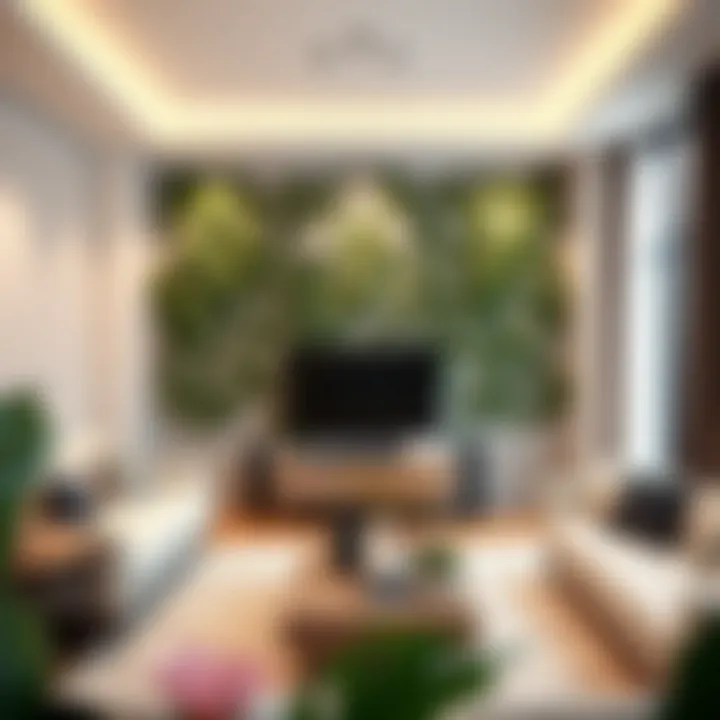
In recent years, artificial vine privacy screens have carved out a unique niche in both residential and commercial spaces. The trend towards modern aesthetics, combined with practical considerations, has propelled these screens to the forefront of design conversations. While the concept of privacy screens is not groundbreaking, the integration of artificial vines offers an innovative twist that elevates functionality and beauty seamlessly. These screens not only serve as barriers but also as stylish decor elements that can transform ordinary settings into vibrant interiors.
As we delve into this topic, we will explore the various styles and materials that define these screens, along with their installation methods and maintenance needs. Moreover, we will critically evaluate the implications of opting for artificial solutions versus more traditional, natural alternatives. The idea is to provide fashion enthusiasts and industry professionals with comprehensive insights that encourage informed decisions for their spaces.
Fashion Trends
Emerging Styles
At the intersection of nature and design lies an emerging trend that leans heavily on artificial vine privacy screens. As designers and homeowners become more attuned to the importance of creating serene spaces, these screens have begun to reflect a variety of styles—from minimalist and urban to lush and tropical. The choice of vines, fabrics, and colors has expanded dramatically, allowing consumers to curate their environments in ways that resonate with their personal aesthetics.
- Minimalist designs feature simple green tones and sleek lines, focusing on cohesion with modern furniture.
- Bohemian styles embrace wild, tangled pieces, introducing a sense of vibrancy and creativity.
- For those who lean towards a tropical theme, larger leaf patterns and bold colors can make spaces feel like an exotic escape.
Whether someone seeks a subtle enhancement or a statement piece, the options are plentiful.
Seasonal Must-Haves
Incorporating artificial vine privacy screens is not just a passing fad; it's becoming a seasonal necessity in many settings. For instance, during the warmer months when outdoor living spaces are in high demand, these screens provide both shade and privacy, defining areas for leisure without blocking the fresh air. Conversely, as fall and winter approach, some individuals may choose screens that reflect the warming colors of autumn or resemble winter foliage, thus keeping the aesthetic in harmony with the surroundings.
Fabric and Care
Sustainable Materials
As consumers become increasingly aware of sustainability issues, the demand for eco-friendly materials has surged. Many modern artificial vine privacy screens are made from faux foliage that mimics real leaves while being crafted from recycled or recyclable materials. These sustainable options can significantly reduce one's carbon footprint while still providing the desired visual impact. When selecting a screen, it’s important to consider the type of plastic used and whether it has been treated to withstand weather conditions, especially for outdoor use.
Maintenance Tips
The beauty of artificial vine privacy screens is that they require significantly less maintenance than their natural counterparts. However, a bit of care can keep them looking fresh and vibrant. Here are some tips to consider:
- Regular Cleaning: Wipe down the screens with a damp cloth to remove dust and debris that may accumulate.
- Positioning: Be mindful of sunlight exposure, as some materials may fade over time if constantly exposed to direct rays.
- Seasonal Checks: For outdoor installations, inspect the screens seasonally to ensure they remain secure and look their best.
In the end, while these artificial solutions provide convenience, marrying aesthetics with eco-consciousness enhances the broader appeal of artificial vine privacy screens.
By synthesizing the elements discussed, readers can understand how integrating these screens not only adapts to current fashion trends but also aligns with practical living needs.
Preface to Artificial Vine Privacy Screens
In an age where privacy is valuable yet often hard to achieve, artificial vine privacy screens surface as a popular solution for both residential and commercial spaces. This section aims to explore the multifaceted advantages these decorative items offer beyond mere aesthetic appeal. Incorporating artificial vines not only elevates visual interest but also serves practical purposes, allowing for creativity in design while ensuring personal space remains undisturbed.
Definition and Overview
Artificial vine privacy screens, as the name suggests, are typically made from synthetic materials to imitate the appearance of real vines and foliage. They often come in panels or rolls, imbuing gardens, balconies, and indoor spaces with an organic essence without the associated upkeep of live plants. These products have carved out a niche in the market, appealing to those who desire greenery but may lack the time or environmental conditions conducive to nurturing real plants.
The primary role of these screens is straightforward: they create a visual barrier that shields one area from view, effectively promoting privacy. However, they can also function as sound barriers, depending on the material density and design. More than just a “green wall,” these creations can transform stark spaces into enchanting environments, blurring the lines between the interior and exterior.
Historical Context
The inception of artificial vine privacy screens can be traced back to the early 20th century when advancements in synthetic materials began to pave the way for more durable and realistic imitations of natural elements. Initially utilized in theatrical settings, their alluring appearance caught the eye of those venturing into home decor.
As urbanization progressed, many city dwellers found themselves surrounded by concrete jungles, creating a yearning for natural aesthetics. Thus, artificial vines transitioned from stage props to household staples, providing a semblance of nature for avid enthusiasts and busy professionals alike. Recent years have seen their popularity surge further, fueled by the growing trend towards greenery in design, and now they serve as essential elements in modern interior and exterior spaces. This historical trajectory illustrates a response to human desire for beauty and privacy amidst urban chaos, making artificial vine privacy screens an essential feature in contemporary living.
Design Versatility
In the landscape of modern decor, the design versatility of artificial vine privacy screens serves as a game changer. The ability of these screens to adapt to varying aesthetic and functional needs makes them indispensable in both commercial and residential contexts. Often mimicking the allure of natural foliage without the maintenance fuss, these screens offer a blend of beauty and practicality, fulfilling a variety of roles depending on their application.
Applications in Residential Spaces
Artificial vine privacy screens have found their footing in homes where space management is paramount. Whether it's a quaint apartment balcony or a sprawling backyard, these screens can be tailored to fit any environment. They can transform an ordinary patio into a tranquil retreat, naturally enhancing the privacy that homeowners yearn for without the hassle of growing and maintaining live plants.
For instance, imagine a small urban balcony decked out with vertical planters and adorned with these lush, green screens. They not only add a splash of life but also create a boundary from passersby, allowing for a peaceful escape. Additionally, the varied textures and colors of artificial vines let homeowners play designer, mixing and matching styles that resonate with their personal aesthetic.
Commercial Uses and Branding
In commercial settings, the role of artificial vine privacy screens takes on a new dimension. Retailers often leverage these decorative elements to create brand identities that resonate with customers. A boutique café with a lush green ambiance can attract a clientele looking for a cozy, Instagram-worthy spot, while also providing a sense of intimacy.
These screens can also be used in office spaces to demarcate areas without closing them off completely. For example, a bank or financial institution might use artificial foliage to create a welcoming space for clients, making bare walls feel lively and engaging. The flexibility to ease into various tones and themes can elevate a brand’s image effectively. This versatility not only enhances customer experience but also promotes a workplace culture that values aesthetics alongside functionality.
Event Decoration
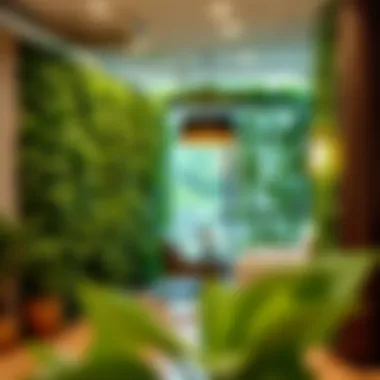
The entertainment industry has embraced artificial vine privacy screens as well, particularly for event decoration. From weddings to corporate gatherings, these screens can quickly transform a venue into an enchanting space. Picture a rustic wedding where guests are welcomed by an archway of verdant vines, creating an ethereal atmosphere that feels both inviting and upscale.
Moreover, the ease of installation is a significant plus; unlike natural plants, these screens do not wilt or require watering. They can be set up in a snap and taken down just as easily. This practicality makes them a favorite for event planners who need flexible solutions to match diverse decor styles. The ability to choose colors and styles allows for personalized touches, making each event feel unique while staying true to a particular theme.
"Artificial vine privacy screens serve not just as decorative elements but also as functional barriers that enhance privacy and aesthetics in both personal and commercial spaces."
In essence, the design versatility of artificial vine privacy screens is a tapestry woven from various applications, enriching spaces while serving crucial roles in functional design. Their potential goes beyond mere decoration, making them an essential component of today's spatial design vocabulary.
Material Composition
Understanding the material composition of artificial vine privacy screens is key to appreciating their value in contemporary spaces. These screens are not mere decorative features; they play a significant role in both aesthetic appeal and functional utility. Choosing the right materials influences their durability, maintenance, and visual effect, making this an essential topic of discussion for designers, homeowners, and commercial space planners alike.
Types of Materials Used
Artificial vine privacy screens are crafted from a variety of materials, each contributing unique characteristics:
- Polyethylene: This is the most common material for artificial vines. Known for its durability, it withstands harsh weather conditions without fading or degradation. Additionally, it’s lightweight, making installation easier.
- PVC (Polyvinyl Chloride): Often used for its flexibility and resistance to moisture, PVC offers a realistic look and feel. It’s robust and can be molded into different shapes, which gives designers creative freedom in their applications.
- Fabric Blends: Some high-end options utilize fabric blends that mimic the texture of real leaves. These can be treated for UV resistance and are ideal for settings where a touch of softness is desired.
- Foam and Silk Options: Foam vines are softer to the touch and provide a lush, full appearance. Silk vines, while more delicate, offer a more realistic aesthetic, especially for interior use.
Understanding the materials helps in choosing the right product for the desired application. For instance, lightweight polyethylene works well for outdoor spaces where wind may be a factor, while silk or fabric blends can enhance the visual appeal of indoor settings.
Sustainability Considerations
With the increasing focus on sustainability, the material composition of artificial vine privacy screens warrants scrutiny. While many artificial options are designed to last, there are several environmental aspects to keep in mind:
- Recyclability: Polyethylene and PVC are often recyclable, which can mitigate some of the environmental impact. Being aware of local recycling options can help owners reduce waste.
- Long Lifespan: Because they resist fading and weather damage, these screens typically last longer than natural plants, thus reducing the frequency of replacement.
- Manufacturing Impact: It's important to consider how these materials are produced. Some manufacturers are now turning to eco-friendly production methods, aiming to reduce energy consumption and harmful emissions.
- Chemical Use: The treatment of materials can involve chemicals that may raise concerns. Opting for manufacturers who use non-toxic dyes and finishes can mitigate health risks.
"In the end, choosing the right artificial vine material isn't just about looks; it’s about balancing aesthetics with eco-conscious choices."
Making informed decisions around materials can lead to outcomes that not only beautify spaces but also honor the planet. Thus, understanding material composition is fundamental for both practical application and sustainability in modern design.
Installation Guidelines
When it comes to artificial vine privacy screens, knowing how to install them is key to maximizing their aesthetic and functional benefits. Proper installation not only ensures durability and longevity but also enhances the overall appeal of your space—whether it’s your garden or business front. The right installation techniques can make the difference between a well-integrated feature and a clunky, out-of-place addition that detracts from your environment.
DIY Installation Techniques
Installing these privacy screens yourself can be a rewarding project that doesn’t require specialized skills. Here are some basic steps to guide you in the DIY process:
- Assess Your Space
Before you even start on installation, take a close look at the area where the screen will go. Factors like sunlight, wind direction, and existing architectural features can all influence your choice of screen and installation method. - Gather Your Materials
Invest in solid materials. You’ll want not just the artificial vines but also fastening equipment like zip ties or clips, and possibly a trellis or frame that provides support. Don't forget gloves! - Measure and Cut
Measure the area where you’ll place the privacy screen. If needed, trim the artificial vines to fit your specific dimensions or the structure you chose. - Choose a Support Method
Attach the vines to a sturdy backing, such as a trellis or a fence. Using zip ties or strong adhesive can be useful to keep them in place. - Secure the Base
Make sure that the bottom of your screen is anchored properly to withstand wind or movement. You might need to use stakes or additional anchors on the edges.
This hands-on approach allows you to tailor the look to your taste while saving money.
Professional Installation Services
While DIY can be attractive for many, there are situations where professional installation is a smarter choice. Skilled installers bring several advantages:
- Expertise
Professionals have the technical know-how and tools to ensure a precise installation. They can quickly navigate any unforeseen issues, such as wall irregularities or structural considerations. - Time-Saving
This process can take longer than anticipated; hiring professionals can free up your time to focus on other important tasks. - Warranty and Guarantees
Often, hiring professionals comes with warranties or guarantees on workmanship, providing you with peace of mind in case any issues arise post-installation.
Maintenance and Care
Understanding how to properly maintain and care for artificial vine privacy screens is crucial for enhancing their aesthetic appeal and longevity. Just like any other feature in your space, neglect can lead to wear and tear that diminishes their visual impact and functional benefits. Artificial vines can be an investment in your environment, whether residential or commercial, making it all the more important to devote some time to upkeep.
Benefits of Regular Maintenance
Regular maintenance not only keeps these privacy screens looking fresh but also contributes to their overall durability. Brightly colored artificial vines can fade if exposed to elements for prolonged periods. Additionally, dirt and grime can accumulate on their surfaces, detracting from their natural look. A well-kept artificial vine screen enhances the ambience of your space, creating an inviting environment that resonates with your personal or brand aesthetic.
Routine Cleaning Tips
Cleaning seems straightforward, but there are some key tips to keep in mind. First, consider the materials from which your artificial vines are made. For most products, a simple dusting with a microfiber cloth works wonders to remove surface dirt. For a deeper clean, warm soapy water can often do the trick. After you have cleaned, it can be helpful to rinse the leaves with clear water to ensure no soap residue is left behind.
- Tools You May Need:
- Microfiber cloths
- Soft-bristle brushes for intricate areas
- Bucket for soapy water
- Garden hose or spray bottle for rinsing
When cleaning, you might want to take care to avoid harsh chemicals, as they can degrade the materials faster than you realize. If the vines are installed outdoors, it’s wise to clean them at least once or twice a year, more frequently in dusty or polluted environments.
Longevity and Replacement Factors
Artificial vine privacy screens are built to last, but various factors can influence their lifespan. First, let’s talk about exposure to sunlight. UV radiation can show its ugly face through fading colors and brittleness in plastic materials. Consider placing your screens in partial shade if possible, or choose products that come with UV-resistant properties.
Another aspect to consider is the location where the screen is installed. Areas with high humidity or extreme temperatures may necessitate more frequent inspections and upkeep. Regular checks can help catch early signs of wear and make the necessary adjustments before minor issues become larger problems.
"Preventative care is always cheaper than the cost of replacement."
Lastly, be mindful of the aesthetic changes over time. Sometimes cleaning is not enough to bring old vines back to their former glory. Evaluating whether they still meet your design needs may influence your decision to replace them.
Comparative Analysis
The comparative analysis section of this article elucidates the nuances surrounding artificial vine privacy screens versus their natural counterparts. Understanding the distinction between these two types of privacy solutions is vital, especially for consumers and designers who prioritize aesthetics alongside functionality. This analysis helps potential buyers and industry professionals to make well-informed decisions by weighing the pros and cons of each alternative in terms of appearance, upkeep, and environmental impact.
Artificial vs. Natural Privacy Screens
When it comes to privacy solutions, the choice between artificial and natural screens is not just a matter of aesthetics but rather a multifaceted decision involving several factors.
Visual Appeal: Artificial vine privacy screens can mimic the dense foliage of a natural hedge without the seasonal fluctuations. They maintain a consistent look throughout the year. In contrast, natural screens may lose leaves or flowers during colder months, which can impact both visual appeal and privacy.
Maintenance: An essential differentiator here is the maintenance requirement. Artificial screens require little more than an occasional wipe-down to keep them looking fresh, while natural options demand continuous care—watering, pruning, and sometimes combating pests. This leads to increased labor costs and, for some, a noticeable hassle.
"Choosing a screen can feel like picking out a wardrobe—it's about style and function."
Durability: Artificial screens often outlast natural versions. They are crafted from materials designed to endure the elements without fading or decaying. Meanwhile, natural screens can suffer from wear and tear over time, leading to an inevitable replacement or significant upkeep expenses.
Environmental Impact: Here is where the debate can get quite vigorous. Proponents of natural screens argue for biodiversity and air purification, offering habitats for birds and insects. Artificial screens, however, may require materials that have a larger initial carbon footprint to manufacture, though they often offset that by lasting longer.
Ultimately, the choice hinges on individual preferences and situational appropriateness. Those prioritizing aesthetics and minimal maintenance may lean towards artificial options. In contrast, others may value the organic feel of natural vines, dedicating time and resources to their upkeep.
Cost Efficiency and Value Assessment
The financial aspect of installing privacy screens is a critical factor that often shapes decision-making. Conducting a cost efficiency analysis reveals significant insights about overall value versus upfront expense.
Initial Costs: Generally, artificial vine privacy screens have higher upfront costs compared to certain natural solutions. However, one should consider the long-term investment. With artificial screens requiring no soil preparation or planting, they typically lead to lower installation costs.
Ongoing Maintenance Costs: When calculating total lifetime costs, the difference becomes more pronounced. Natural screens necessitate ongoing investments in water, fertilizer, and labor for upkeep, which can quickly add up. Artificial screens, with minimal maintenance, present a more budget-friendly option over time.
Resale Value: Enhancements that add aesthetic appeal can elevate property value. Though both types of screens contribute to this, the durability of artificial options may have a more favorable long-term impression, their wear-free nature keeping properties looking inviting without the periodic replacement that natural options might necessitate.
In summation, while initial acquisition costs for artificial alternatives may appear pricier, the overall value delivers dividends when considering longevity, maintenance, and aesthetic consistency. Fashion enthusiasts and industry professionals alike should exercise thorough consideration of these factors to align with both budget and style aspirations.
For further reading on privacy screens and urban design trends, you can check sources like Wikipedia and Britannica.
For community discussions and insights, consider visiting platforms like Reddit and Facebook.
Aesthetic Impact
The aesthetic impact of artificial vine privacy screens cannot be overstated. In contemporary spaces, where both form and function hold significant weight, these screens serve not just as barriers but as statements of style. They are versatile tools that can redefine the ambiance of a space, blending seamlessly into various design schemes. Their leafy allure invites nature into otherwise sterile environments, providing a touch of greenery that can be both soothing and visually appealing.
Enhancing Outdoor Spaces
When it comes to outdoor spaces, artificial vine privacy screens have become a transformational element. They can be utilized to create intimate settings, contributing to the feel of an outdoor room. With the right screen, a patio or garden can morph into a secluded oasis, offering a respite from the hustle and bustle of urban life.
- Visual Appeal: The vibrant colors and textures of artificial vines mimic those of real plants. This element not only enhances the beauty but also provides a lush backdrop for entertaining or relaxing.
- Functional Benefits: Besides their aesthetic contributions, they also provide essential privacy. For instance, a homeowner may place these screens around a pool area to create a sense of seclusion and comfort, allowing guests to unwind without prying eyes.
- Design Flexibility: These screens can be styled to fit any theme. Whether it’s a rustic garden party or a sleek, modern patio, the choice of vine styles, colors, and arrangements can harmonize with the overall aesthetic.
Input on Interior Design
Artificial vine privacy screens are not just limited to outdoor applications; their role in interior design is equally significant. They can add depth and character to indoor spaces in ways that other decor items may not achieve.
- Visual Texture: Walls adorned with artificial vines can break the monotony of flat surfaces. A screen covering an otherwise plain wall adds layers of interest, drawing the eye and engaging the viewer in a thoughtful way.
- Creative Room Dividers: In open-plan spaces, these screens can function as unobtrusive dividers, delineating areas without sacrificing the sense of openness. This approach is especially suited for modern homes where the notion of communal living is favored.
- Mood Enhancement: The inclusion of greenery, even artificial, can positively influence moods. It’s well-known that the color green can evoke feelings of calmness and rejuvenation. By incorporating these elements into interior design, spaces can feel more inviting and alive.
Incorporating artificial vine privacy screens into both indoor and outdoor spaces not only elevates their visual appeal but also boosts the overall environmental interplay, promoting a serene living experience.
In closing, the aesthetic impact of these privacy screens is undeniable. They are more than just decorative items; they are pivotal components of thoughtful design, bridging functionality with beauty.
User Experiences and Trends
In recent times, the utilization of artificial vine privacy screens has surged, catering to a variety of tastes and needs. Their role in contemporary settings, both residential and commercial, is more than just functional; it delves into aesthetics and emotional resonance as well. By examining user experiences and trends, we can gain deeper insights into the preferences that guide consumers and the innovative ways they integrate these screens into their environments.
Consumer Preferences
Consumers today gravitate towards products that marry utility with visual appeal. This duality is at the heart of why artificial vine screens have captured attention across various demographics. Key elements influencing consumer preferences include:
- Aesthetic Versatility: Many consumers appreciate the ability to adjust the look of a space without extensive renovations. The availability of diverse designs—from lush green to flowering vines—allows individuals to curate their spaces reflecting their personalities.
- Low Maintenance: Unlike natural plants, artificial vines do not require watering, sunlight, or intensive care. This aspect appeals to busy individuals or those living in settings where nurturing greenery can be a challenge.
- Privacy and Comfort: The primary function of these screens—to create privacy—resonates with many. Whether in bustling urban areas or quieter suburbs, people seek out solutions to add a buffer between their indoor and outdoor realms, making artificial vines an appealing option.
- Sustainability Awareness: As conversations around sustainability grow louder, some consumers show preference for artificial solutions that claim to be eco-friendly or made from recycled materials. The perception that they contribute to less resource waste resonates with eco-conscious buyers.
As these preferences evolve, manufacturers are keen to adapt their offerings to cater to these desires, providing products that not only meet practical needs but also align with the personal values of users.
Innovative Trends in Usage
The landscape of artificial vine privacy screens continues to transform, with users experimenting with creative applications that push the boundaries of traditional design. Notable trends include:
- Integrative Interior Design: Homeowners are weaving these screens into the very fabric of their interior aesthetics. For example, using vibrant vine panels as focal points in dining areas or living rooms has become trendy, allowing individuals to infuse the comfort of nature within their homes.
- Event and Celebration Use: Whether for weddings, corporate events, or casual gatherings, event planners are increasingly using these screens as backdrops or decorative elements. They can serve to demarcate spaces without the need for permanent installations.
- Outdoor Living Enhancements: As outdoor spaces gain significance, using artificial vines to enhance patios or balconies has witnessed an uptick. Screens provide shade while adding elegance—the perfect mix for leisurely afternoons.
- DIY Customization: Tech-savvy individuals are channeling their creativity through DIY projects, repurposing and decorating artificial vine screens to fit unique themes. This not only reflects personal style but also fosters a deeper connection with their spaces.
As consumer preferences and innovative trends intertwine, the versatility of artificial vine privacy screens emerges, proving them not just mere decor but pivotal elements in shaping modern lifestyle choices.
The way people choose to interact with and implement these screens further indicates a burgeoning appreciation for design that caters not just to need but also to aesthetics. Insights gleaned from these user experiences and emerging trends demonstrate that artificial vine privacy screens are poised to remain significant players in the realm of contemporary design.
Regulatory Considerations
When discussing artificial vine privacy screens, the importance of regulatory considerations cannot be overlooked. These screens, while visually appealing and functional, must also adhere to a range of local and national regulations. Building codes and environmental laws play a significant role in ensuring that such fixtures not only meet safety standards but also align with broader environmental goals. Being aware of these requirements can help homeowners and businesses create aesthetically pleasing spaces without running afoul of legislation.
Building Codes and Regulations
Building codes serve as the backbone for constructing safe and sustainable structures. These codes can vary greatly from one locality to another, often reflecting the unique characteristics and needs of the area. When it comes to artificial vine privacy screens, several key aspects need to be considered:
- Material Safety: The materials used in these screens must conform to flammability ratings and safety standards.
- Structural Integrity: Codes may require that the installation of privacy screens does not compromise the safety of the building. For instance, if they are mounted on external walls, their weight and wind resistance need proper evaluation.
- Height Restrictions: Local regulations may dictate the maximum height of any installed screens to ensure compliance with neighborhood aesthetics or zoning laws.
Understanding these regulations is crucial. For instance, a business that does not comply with the local building code may face hefty fines or be required to remove their installation altogether, which can be a significant setback.
Environmental Protection Laws
On another front, environmental protection laws are increasingly relevant in today's sustainability-focused landscape. These laws aim to limit the environmental impact of construction materials and methods. In the context of artificial vine privacy screens, consider the following:
- Sustainability Standards: Screens made from non-toxic, recycled, or up-cycled materials can often qualify for incentive programs or rebates, which not only promote eco-friendliness but also provide financial benefits.
- Biodiversity Concerns: Regulations may pertain to the species of plants or materials that mimic natural growth, ensuring they don’t disrupt local ecosystems if used outdoors.
- Waste Disposal: Environmental laws may outline how to properly dispose of any materials or screens that need replacement, ensuring they do not contribute to landfill waste.
By keeping abreast of these considerations, the use of artificial vine privacy screens becomes not just a design choice but a responsible one as well. Integrating compliance with regulations can lead to greater acceptance within communities and a more profound respect for eliciting nature's beauty through innovative design.
"Navigating through the legal landscape of building and environmental regulations can be daunting, yet it’s imperative for achieving harmonious designs that respect both aesthetic and ecological responsibilities."
Future Innovations
As we look ahead, the design and functionality associated with artificial vine privacy screens are evolving rapidly. The significance of exploring future innovations in this realm cannot be understated, especially as these designs continue to reshape the aesthetics and practical applications in contemporary spaces. Innovations in this field promise not only to enhance the visual appeal of environments but also to integrate seamlessly into smart living solutions, making life easier and more efficient for users.
Advancements in technology and material science play a pivotal role in the transformation of these privacy solutions. As the need for sustainable and eco-friendly practices grows, innovations will likely revolve around using recycled materials, improving durability, and enhancing overall visual quality. This shift not only caters to environmental responsibility but also speaks volumes to design enthusiasts who prioritize both elegance and sustainability in their choices.
Trends in Fabric Technology
A prime area where future innovations are making waves is fabric technology. New materials are surfacing that combine the lushness of natural greenery with the practicality of synthetics. For instance, advances in UV-resistant treatments and colorfastness are ensuring longevity and vibrance in outdoor settings. The use of advanced textiles can provide more than just visual privacy; they can also incorporate features like moisture resistance and easy-clean surfaces.
Here are some upcoming trends to watch:
- Biodegradable Materials: Eco-conscious consumers are increasingly drawn to options that address the environmental impact of synthetic materials. Fabrics made from biodegradable sources ensure that even at the end of their lifecycle, these products won't pollute the earth.
- Self-Cleaning Textiles: By utilizing nanotechnology, upcoming fabric designs could feature self-cleaning capabilities, allowing for reduced maintenance and increased convenience. Imagine a textile that repels dirt and grime, maintaining that fresh look without the hassle of regular cleaning.
- Customization through Technology: Innovations may provide consumers with the ability to customize their privacy screens through digital platforms, allowing tailored colors and designs that resonate with individual tastes.
Integration with Smart Home Features
Another vital area of exploration is the integration with smart home features. As the Internet of Things (IoT) continues to take root in households globally, the fusion of artificial vine privacy screens with smart technology opens up new avenues for enhancing convenience and functionality in residential and commercial spaces alike.
Here's how this integration could manifest:
- Motorized Screens: These screens could be equipped with mechanisms allowing them to be drawn up or down electronically, enabling users to control their privacy with the touch of a button or through voice command.
- Climate Control Features: Imagine a privacy screen that adjusts its position based on sunlight or temperature, promoting energy efficiency while elevating comfort.
- Sensor-Driven Adjustments: Screens can respond to environmental cues, like strong winds or rain, to offer protection without compromising the cozy ambiance they create.
By embracing these innovations, artificial vine privacy screens will undoubtedly elevate their role in contemporary spaces beyond mere aesthetics. They will become a vital aspect of modern living, where sustainability, technology, and thoughtful design converge.
"Innovation is the ability to see change as an opportunity - not a threat." - Anonymous
For further insights into the importance of design innovations, check out resources from Wikipedia, or explore industry discussions on Reddit regarding modern design trends and sustainable practices.
Epilogue
In the fast-evolving world of design, the importance of artificial vine privacy screens cannot be overstated. They present a unique blend of aesthetics and function which caters to both residential and commercial needs. As urbanization continues to elevate the demand for private spaces, these screens offer a practical solution to create a sense of enclosure without compromising on style.
Summarizing Key Points
Throughout this article, we've explored various dimensions of artificial vine privacy screens. Here are the core takeaways:
- Design Versatility: These screens are adaptable to numerous environments, whether it's adding greenery to a cozy backyard, enhancing corporate spaces, or bringing vibrancy to event venues.
- Material Composition: Sustainability plays a crucial role, with many products designed to withstand the elements while being eco-conscious. The choice of materials influences both durability and environmental impact.
- Installation Techniques: From DIY methods to hiring professionals, installation can be tailored to the specific needs of the user, making it achievable for various skill levels.
- Maintenance Needs: Regular care extends the lifespan, ensuring that the screens remain vibrant and functional over time.
- Comparative Insight: By evaluating artificial versus natural solutions, it's clear that while both serve important purposes, artificial vines often offer superior longevity and design options.
- Trends and Innovations: As technology advances, integration with smart home systems and advancements in fabric technology signify a promising future for these privacy screens.
Future Outlook
Looking ahead, the role of artificial vine privacy screens is set to grow as more people seek stylish yet functional solutions for their spaces. Here are a few trends that could shape the future:
- Increased Eco-friendliness: As awareness around sustainability heightens, the emphasis on sourcing eco-friendly materials will likely dominate the market.
- Smart Integration: Future developments may see these screens embedded with technology such as sensors for weather-proofing or even lighting elements, blending beauty with advanced features.
- Customization Options: The ability to customize screens based on specific customer needs—like color, size, and density—could allow manufacturers to cater to a broader audience.
- Creative Uses: Beyond typical applications, we might see innovative uses in urban design, such as vertical gardens or installations that enhance public spaces while providing essential privacy.
In sum, the journey for artificial vine privacy screens has just begun. As they continue to evolve along with trends in design and technology, their significance will undoubtedly deepen, appealing to discerning consumers who seek both beauty and practicality in their everyday environments.